
What Is a Robot Vacuum?
A robot vacuum is a small cleaning machine that automatically cleans your floors with minimal effort on your part. It isn’t like a conventional vacuum though and will not sit at home but instead will travel from one room to another by itself. Its obstacle detection, stair avoidance and return-home when battery is low.
But nowadays, robotic vacuum cleaner has become a popular choice for many homeowners due to the convenience and regular cleaning it provides. This should be a great option for a busy family, professionals and basically people who want to cut down on the daily chores.
Your smart vacuum will perform nicely on hardwood floors, tiles, laminate and low-pile carpets. While most models may only be designed to suck up dirt and dust from bare, hard floors, some more high-end options also cope well with mid-tier carpets.
How Robot Vacuums Work.
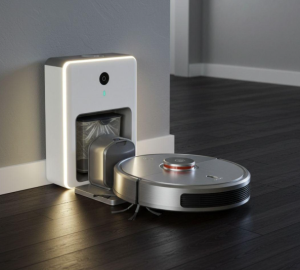
A robot vacuum is typically based on rotating brushes, cleaning suction power and sensor detection to crawl the floor and intelligent software for completing its tasks. When it turns on, it winds around your home sucking up dust and dirt, pet hair and small debris. It needs very little supervision compared to manual vacuums.
Most robot vacuums start by mapping their environment. It uses infrared sensors, cameras, LiDAR or laser mapping to understand how rooms are laid out. Thisis why they find the most efficient route to clean instead of moving freely.
The rotating side brushes grab dirt and pull it toward the center brush while cleaning. Next, the main brush loosens dirt from off the floor. Eventually, everything gets sucked into the dust container by the suction motor. This method is effective on hard floors and some carpets.
New automatic vacuum cleaners are able to learn the scheme of your house. Consequently, they steer away from re-cleaning the same area. It also identifies objects in the environment that are obstacles such as furniture, wall, shoe and stairs. As a result, they decrease crashes and avoid unwanted drops.
Important Features of Robot Vacuum Cleaners
Ease of use: Modern robot vacuums come with a plethora of new features that elevate cleaning performance. As each year passes, manufacturers keep coming up with much smarter techs. So, the models of today not only have more advanced capabilities.
Smart Navigation & Automatic Charging
Smart navigation: Robot vacuum with smart mapping capability maps your home accurately. It does not move randomly, instead it moves on a predefined cleaning path. Thus the plan requires a larger surface area but is free from redundancy. Higher-end models even remember multiple floorplans for multi-level homes.
Automatic Charging: Every robot vacuum has to consider battery life. But luckily, most models will return to their charging dock on their own if the battery becomes low. Most resume cleaning from where they left off (after recharging). This function guarantees that the cleaning process will not be interrupted.
Scheduled Cleaning
With scheduled cleaning, you can retrieve clean floors every day without any human effort. Users quick pick out the days & times. After which, the robot pulls off a completely autonomous clean, even in an empty house. Thus there is never time for dust and pet hair to gather.
Self-Emptying Technology
The typical feature set of robot vacuums now includes self-emptying stations on premium models. When doing this, the robot transmits the dirt it collects into a much larger dust container located within the docking station itself after each cleaning cycle. As a result, users no longer empty the station on every clean but only about once per week instead.
It is the reason why robot vacumes now are one of the most advanced home cleaning solutions out there. From the need of a hardwood floor robot vacuum and a robot vacuum for pet hair, to an automatic cleaner that makes daily maintenance easier; all these technologies provide us with improved convenience and cleaning efficiency.
What Is an Upright Vacuum?
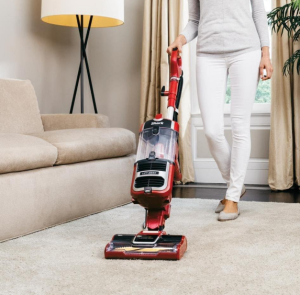
An upright vacuum is a more classical type of vacuum cleaner that provides durable and systematic cleaning. It is not automatic in the same way a robot vacuum is.
But while the V10 offers gasping suction and superior carpet cleaning, thanks to its larger motor. Thus, there are still a lot of homeowners who actually choose an upright vacuum cleaner for cleaning their homes thoroughly.
The majority of upright vacuums contain the motor, dust bin, brush roll and handle in a single unit. The design of them makes them very easy to push across floors. Additionally, many newer models offer variable settings that enhance cleaning on wood floors, carpets, and thick carpets.
The biggest benefit to an upright cleaner is its strong motor. Powerful suction works deep in carpet fibres to remove dirt, pet hair, dust and allergens.
As a result, it is usually the best option for pet-friendly households and those with high foot traffic.
An upright vacuum is still the right choice if you have thick carpets or huge spaces that need to be deep cleaned on a regular basis.
How Upright Vacuums Work
A conventional upright vacuum takes dirt up using a combination of suction power, rotating brushes and filtration. Once the motor is turned on, it generates powerful airflow that draws dirt and debris into the dust collection system.
It spins fast as it’s getting dirt stuck in the carpet fibers released. These powerful suction cause the dust or debris to get elevated in the dust bin, or vacuum bag. This allows for a clean that is deeper than most automatic vacuum cleaners can provide.
Models also normally come equipped with extension hoses and the attachments you require for clearing out. So even you have five of the dishes in your house, one machine can do several function like cleaning up the home.
Corded upright vacuums provide power throughout the entire cleaning time. They never lose suction, because they plug into an outlet. However, the cordless upright vacuums do provide more freedom of movement. Regardless, battery life isn’t a lot more than it was in earlier years, but newer designs offer longer cleaning times.
Common Features
Modern straight vacuums contain a slew of useful additions that enhance their utility and ease-of-use. Manufacturers constantly upgrade these machines to make it effective for various home cleaning requirements.
Powerful Motor
The motor is the heart of each upright vacuum cleaner. It produces powerful suction that pulls away dust, dirt, crumbs, and pet hair like a magnet. This is the reason why upright vacuums are great for deep cleaning carpets and rugs.
Large Dust Bin
While upright vacuums feature a lot bigger dust bins than robot vacuums. As a result, users can cover more floor space without having to pause and empty the bin as often. This functionality really is a time saver on longer cleaning sessions.
HEPA Filtration
Six additional features found in many premium upright vacuums: HEPA filtration systems. These filters are designed to trap smaller particles in the air such as fine dust, pollen, mold spores and other allergens that can get into the body. They provide your home with better of indoor air quality, in turn, these things help a person suffer from allergy.
Adjustable Height Settings
Also, Floor types range from one height at which you have to clean and for other heights. The brush roll makes proper contact with carpets and hard floors through adjustable settings. As a result, users get better cleaning results across multiple surfaces.
Multi-Surface Cleaning
Upright vacuums today clean more than just carpets. The majority of the models seamlessly move from hardwood floors to tiles, laminate, vinyl and area rugs. Some also provide automatic floor detection, which is cooler.
The decision should be based on what you need when choosing between a robot vacuum and an upright vacuum cleaner. An upright vacuum, for example, is the best bet if you want ultra-strong suction or to clean surfaces thoroughly. But if you want to prioritize convenience, a smart vacuum might fit your way of living more.
The best of both worlds — for some homes, a blend of the two machines creates the ultimate cleanup routine. That means a robot vacuum in charge of your daily upkeep, and an upright to wrangle those weekly deep cleans. Combined, they offer a total cleaning solution for the home to ensure every room is at its best.
Side-by-Side Comparison: Robot Vacuum vs Upright Vacuum
Determining what works best between a robot vacuum and an upright vacuum is dependent on your cleaning needs, layout of your home, and lifestyle choices.
Each has its benefits, but each serves a different purpose. One is a robot vacuum that offers convenience and automation, and the other is an upright vacuum with powerful deep cleaning.
If you lead a busy lifestyle, then a robotic vacuum cleaner can ensure not much effort on your part and clean floors every single day. Works automatically, follows a program for cleaning, and gets back to its charging dock when battery placement is low. So it is best suited to keep the area clean between two manual cleaning actions.
On the other hand, an upright vacuum cleaner is made for rigorous cleaning. Its powerful motor and spinning brush roll dislodges ground-in dirt from carpets and rugs. This helps it do better deep cleaning around the home.
The maintenance also depends on the two types. Maintaining robot vacuums requires cleaning the brushes periodically, as well as updating the software and sensors from time to time.
Upright vacuums require the filters to be cleaned, the brush roll to be serviced and dust bin emptied. The good news is that both are actually quite simple to care for with regular maintenance.
Price is another factor. In fact, entry level robot vacuums are usually pricier than fundamental upright cleaners. For one thing, there can be a hefty price tag attached to premium upright vacuums as well. Hence, your choice must depend on your budget.
Cleaning Performance
One key deciding factor between a robot vacuum and an upright vacuum is cleaning performance. Both machines effectively pick one dust, dirt and debris. But, they work in different ways for their cleaning task.
Robot vacuum is meant for everyday cleaning. This takes you automatically from room to room and removes light dust, crumbs and pet hair before they accumulate. Which means your floors get clean, with less work.
Upright vacuum cleaners emphasize through cleaning. Available with a special brush roll turning, it lift dirt stuck in carpets and rugs. As a result, it is able to clean properly in the weekly or monthly settings.
Robot vacuums are more effective on hard floors, low-pile carpets, and smooth surfaces. They automatically evade furniture and clean areas manual vacuums may not reach. They also clean up masses while you work, unwind, or get out of the house.
Unlike pan-type, upright sinks offer better control. It will allow you to target dirtier areas and scrub away tough stains easier. They also come with special attachments for cleaning stairs, couches and curtains.
Newer smart vacuums utilize sophisticated mapping technology to increases overall cleaning capabilities. They navigate around obstacles, clean more effectively, and minimize missed spots. However, they still cannot rival the pure power of a good upright vacuum.
In sum, robot vacuums are good floor cleaners on a day-to-day basis. When deep cleaning is the goal, your best bet will still be an upright vacuum. Hence, many home owners combine both devices for optimum outcome.
Suction Power
Suction power has a direct impact on cleaning performance of the vacuum cleaner in removing dirt, dust, and debris. And this is where the most significant contrast falls between these two kinds of vacuums.
This helps most robot vacuums deliver weaker than average suction, while an upright vacuum cleaner provides much stronger suction. Because the bigger motor creates greater airflow, it could yank dirt from deep inside of carpet fibers. This way, it gets rid of hidden dust, which automatic vacuum may not be able to do so.
Example: A vacuum robot as the name is small-sized and therefore uses a compact motor. While newer models improve, and become just as efficient more or less, they will never be able to suck up dirt quite the same way that an upright vacuum can. That said, they are excellent for normal dust and light debris.
Automatic suction adjustment has also made its way into premium robot vacuums. If carpet is detected, the vacuum will automatically boost suction. It can make cleaning easier without wasting battery charge.
An upright vacuum is still the way to go if you have really thick rugs in your house. A robot vacuum, on the other hand, performs great for daily pickup as long as your floors are primarily hardwood, tile or laminate.
Lower suction is sometimes easier for convenience, at least from home owners perspective. It keeps the heavy dirt accumulation at bay, thus limiting the need to deep scrub so often.
In general, upright vacuums take the cake when it comes to raw suction power. Robot vacuums provide sufficient power for routine cleaning along with an additional layer of convenience you simply can’t replicate with another cleaning solution.
Pet Hair Removal
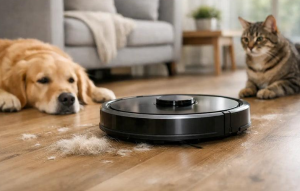
Shedding hair from pets on floors, furniture and carpets is a common struggle for pet owners. This means that it is all the more crucial to select the appropriate vacuum.
For regular cleaning of pet hair, a robot vacuum is effective. It gathers loose hair before it disperses throughout the house. Thus pet owners save time cleaning during the week.
Some high-end robot vacuums have rubber brush rolls that help avoid tangles with hair. Some even include self-emptying stations to ease maintenance.
But a loved one vacuum nonetheless pulls pet hair better from high-pile carpets and loftier-upholstery materials. Its more powerful suction pulls up dirt and fur that robot vacs sometimes leave behind.
In a nutshell, robot vacuums help keep pet hair accumulation to a minimum on a day to day basis. If you have multiple pets, upright vacuums are better for deep cleaning homes.
Carpet Cleaning
Carpets are great at trapping dust, dirt, allergens and pet hair deep within the fibers. So there should be enough suction and brush action in the cleaning of carpet.
A carpet-cleaning upright is meant to do this work. The rotating brush roll pulls out the embedded dirt, and strong suction picks it all up.
With a low-pile carpet, the robot vacuum will perform fairly well. Most higher-end models automatically boost suction when they drive onto carpets. But it still really struggles on any sort of deep or plush carpet.
Generally when you have wall-to-wall carpeting, upright vacuums perform better. They ensure regular deep cleaning and keep carpets looking good over the years.
The reason robot vacuums are still worth it is because they keep the dust from building up more than once between deep cleanings.
Battery Life and Cording Power
The fact that it can clean longer impacts on cleaning time and convenience to use.
Robot vacuums mostly run on battery power, specifically rechargeable batteries. Runtime (90–240 minutes depending on the model.) On the other hand, premium units recharge on their own and recommence cleaning when required.
Battery operations give full freedom from wires. This means robot vacuums roam free in your house.
Unlimited Runtime of Corded Upright Vacuums Suction is consistent as long as they stay plugged to power. This makes them best for large homes and longer cleaning sessions.
Cordless upright vacuum cleaners offer the perfect mix of driving up to full power. But they usually have shorter battery runtimes than corded versions.
Ease of Use
How much people clean their homes is often dictated by how easy it was to do so.
Robot vacuums take virtually no effort. Users just select squeegeeing through a mobile app or press one button. After that, the vacuum does its job automatically.
Today smart vacs can even link up with voice assistants. This allows users to start cleaning with basic voice commands.
Upright vacus are pushed, lifted and steered by hand. They do, however, offer greater control and require additional physical effort.
Even if you might be opened to purchasing a vacuum cleaner manual, those frequently lose individuals because of how much time they spend cleaning up; many people have incredibly packed schedules and also even more pressing concerns to address.
Safe to say, robot vacuums are clearly the winner when it comes to convenience and super easy to use.
Noise Level
When cleaning, the noise of vacuum disturbs comfort.
As compared to upright vacuums, robot vacuums are a lot quieter. It has smaller, quieter motors that leave users free to work, study or watch TV while they clean.
The superior motor power in upright vacuums creates an overall louder noise. While noise levels are still very loud, cleaning finished in seconds.
The relatively quiet operation of many robot vacuums is a clear selling point for families with small children or people working from home.
Storage Space
The types of the vacuum have different storage needs.
Small Storage Robot vacuums take up very little space. When not in use they just stay on their charging dock. For this reason they are able to squeeze quickly into flat and smaller-sized houses.
Due to their bigger design, upright vacuum cleaners take up more room. And, while some models have mounts with removable handles for compactness, they still need to be stored away in a closet or utility space.
Robot vacuums have a pretty clear advantage here, especially if storage is at a premium.
Maintenance Requirements
All vacuums need regular care and maintenance to perform their best.
Over time, this includes cleaning of brushes and filters, sensor cleaning, and software updates for robot vacuums. Models with self-emptying capabilities are ultra-low manual work.
Uprights need filter cleaning, brush roll cleansing and also storage tank clearing. Fortunately, these tasks are all relatively straightforward and take only a few minutes to complete.
Machines require maintenance, and if you stay on top of that, it will increase the longevity of those machines as well as ensure they are cleaning your floors properly each time.
Purchase Price
The purchase price depending on brands and features.
Vacuum Type: Typically speaking, most entry-level upright vacuums tends to be cheaper than that of robotac vacuum. This is why they’re in high demand amongst cheap new car buyers.
In contrast, robotic vacuum cleaners tend to cost more as they will feature advanced navigation systems, smart sensors and also connect with your smartphone.
More advanced variants with LiDAR mapping and self-emptying docks cost significantly more.
Robot vacuum are certainly a bigger investment to begin with, with many homeowners who purchase one finding that the added convenience is well worth the price tag.
Pros and Cons
A robot vacuum is made for convenience and automated. It fits smoothly into a busy life, cleans your floors with little effort. For comparison, an upright vacuum cleaner is designed for high suction power and deep cleaning ability.
Despite its manual operation, it tackles carpets and high soil conditions as excellently as any other.
Homeowners no longer ask the question: Should I buy a robot vacuum or an upright vac? They weigh how best each vacuum encapsulates their everyday routines, instead. Your robot vacuum takes care of the regular floor maintenance, while your upright vacuum gets rid of that dirt that had become so embedded in the texture of your carpet during weekly cleaning.
Another important factor is budget. This advance tech is why robot vacuums typically have a higher price tag. Nonetheless, they limit time and keep away from everyday exertion. Upright vacuums tend to be cheaper, especially the base models. Also, they give more cleaning power for the value.
Robot Vacuum Advantages
These modern robot vacuums deliver several amazing common usages associated with effortless cleaning every day. The Smart features enable the home users to keep clean floors without taking a lot of time in vacuuming.
Hands-Free Cleaning
The most significant benefit of a robot vacuum is the hands-free cleaning feature. Just set the time for cleaning, and the vacuum will start itself. It knows how to navigate around furniture, avoids things in its path and when it has finished, returns to its charging dock.
This is useful for professionals on the go, parents, and seniors. Instead of vacuuming daily, you can spend your time on other activities while the robot cleans.
Daily Maintenance
A robot vacuum helps to keep dust, dirt, crumbs and pet hair from accumulating on a daily basis. Hence your house remains less dirtier during the week.
Light cleaning often will reduce the amount of deep clean you have to undergo later on. This not only helps keep the floor free from sand and dust, but it also creates a healthier ambience in which to work indoors.
Smart Features
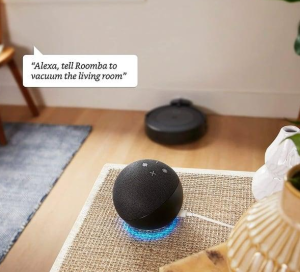
Smart vacuums today include advanced technologies such as the following:
- LiDAR or laser mapping
- AI obstacle detection
- Room-specific cleaning
- Virtual no-go zones
- Smartphone app control
- Voice assistant compatibility
- Automatic charging
- Self-emptying dust stations
These tend to promote efficiency and make in some cases, cleaning quite simple.
Compact Design
Robot vacuums don’t have to be as compact, but one of the main complaints about traditional vacuum cleaners is their girth. These, in turn, clean dust that upright vacuums cannot even get to because it is hidden.
Their small footprint also helps in easy storage. Many simply sit on their charging dock when not in use, taking up minimal space.
Ultimately, robot vacuums offer the ultimate in convenience and are one of the very best better home cleaning solutions for everyday use.
Robot Vacuum Disadvantages
While robot vacuums are definitely low-maintenance, there do exist some caveats. Being aware of these shortcomings helps to tame the expectations.
Lower Suction Power
There are only two major downsides: lower suction than an upright vacuum.
As robot vacuums use smaller motors, they cannot pack as much cleaning power into the unit compared to larger machines. As a result, they have trouble with heavy carpets, vast debris, and dirt that has become fitted.
Upright vacuum, for cleaning deep carpets still the better option.
Can Get Stuck
Even the best robot vacuums sometimes get stuck.
Common obstacles include:
- Charging cables
- Loose clothing
- Children’s toys
- Thick rugs
- Floor transitions
- Pet bowls
While newer models dodge obstacles better, cleaning up before the robot vacuum gets to work still helps its performance.
Upright Vacuum Advantages
One of the most powerful cleaning appliances on earth remains to be upright vacuum cleaner. Thanks to its powerful motor and useful attachments, it cleans extremely well.
Strong Deep Cleaning
- This is where upright vacuums really shine — deep cleaning.
- With their strong suction ability pull out deeply embedded dirt, sand, dust, and allergens isolated in carpets.
- Consequently, carpets appear cleaner, feel softer and last longer!
Excellent Carpet Performance
- When your house has wall-to-wall carpet, an upright vacuum is typically a better selection.
- A rotating brush roll brushes at carpet fibers, lifting dirt that robotic vacuums can miss.
- Their performance in these areas makes upright vacuums a great option for high-traffic homes.
Better for Heavy Debris
Upright vacuums easily remove:
- Sand
- Food crumbs
- Dry leaves
- Pet food
- Larger dirt particles
This is less suited for robot vacuums sometimes since they use much smaller suction channels.
Across most types of household cleaning, an upright remains among the top selections for heavier duty work.
Upright Vacuum Disadvantages
While upright vacuums excel at cleaning, they also have their share of downsides.
Manual Operation
Upright model require continuos manual labor as opposed to automated cleaning like a robot vacuum.
During the cleaning process, users must navigate and move the machine by pushing, pulling, stearing and carrying it.
This is more physically demanding, especially in bigger houses.
Heavier Weight
- Many uprights weigh quite a bit more than the average robot vacuum.
- While newer cordless models are lighter, most upright-type vacuums have remained very heavy.
- This can make it more difficult to clean between stairs and on upper floors.
With these downsides aside, though, upright vacuums still manage to provide the best deep cleaning performance. Powerful suction with heavy-duty performance quality ensures they are a great long-term investment for most people.
Which vacuum is best for which homes?
Cleaning needs differ from home to home. Whether one vacuum is better than another depends on your floor type, your family size, whether you own pets and how much time you need to devote to cleaning.
It depends on the type of vacuum cleaner they most needed for their homes, some people get the maximum benefit of a robot vacuum but others need more impressive performance too which offers an upright vacuum cleaner. Often, applying both is the perfect cleaning solution.
Next, we will see which vacuum is best for apartments, large houses, homes with pets, kids, hardwood floors, plush carpets, mixed flooring as well as allergy sufferers and busy professionals and the elderly. So, this comparison will simplify how to choose the best vacuum based on your preference of living environment.
Apartments and Small Homes

If you live in an apartment or small home, a robot vacuum is the ideal option. Its compact design enables it to move through tight spaces and furniture. And since the cleaning area is smaller, the battery typically has enough capacity to complete the entire job in a single session.
In apartments, there is hardly any storage available. To its credit, a robot vacuum has a low physical footprint as it resides on the charging dock when not in use. What is more, the scheduled cleaning keeps the floors clean every day which does not interfere with your routine.
Best Choice: Robot Vacuum
Homes with Pets
As a pet parent, you face unique clean up challenges each day. Pet hair from dogs and cats quickly finds its way onto the floor, carpets, furniture and stairs.
Pet Hair Robot Vacuum cleans up loose hair daily, before it clumps. This gives your home the opportunity to remain cleaner in between or before you deep clean.
Today, their many models include rubber brushes designed to minimize hair tangles. Self-emptying models also minimize maintenance.
For picking up dog hair that’s really stuck in carpets and upholstery, an upright vacuum remains the best option. Pet-specific tools make it simple to clean pet beds, mattresses, and sofas.
In-Depth: Combined Robot Vacuum and Upright Vacuum
Thick Carpets
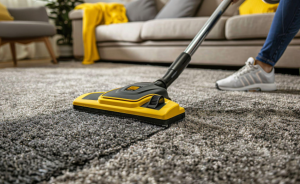
Thick carpets retain dust, allergens and pet hairs deep-regarded in their fibers.
A strong carpet cleaner removes debris that burrows down through your carpet fibers. The rotating brush roll lifts out dirt before suction removes it.
Every year robot vacuums have gotten better. However, they still have issues with plush and high-pile carpets.
If your home is loaded with inch-thick carpeting all through most rooms, an upright vacuum remains the higher bet.
You can definitely run a robot vacuum for day to day upkeep. Of course, you still need to use an upright vacuum regularly for a thorough deep clean.
Best Choice: Upright Vacuum
Mixed Flooring
Hardwood, tile, laminate and rugs go into homes as well as carpet in many different rooms.
For example, a robotic vacuum that moves around the house adapting to different surfaces. So it also works very well in everyday maintenance.
The right tool for cleaning carpets and rugs is a good upright vacuum.
All combined, they make one comprehensive cleaning solution that can handle all floor types.
If you have mixed flooring at home, owning both machines offer the utmost flexibility.
Product: IRSF2531 model from Robot; SVC-225 model from Upright Vacuum.
Allergy Sufferers
Dust, pollen and pet dander can cause allergy symptom.
The Robot Removing Airborne Particles by Cleaning Floors Shade After Demise Regular cleaning keeps allergens from building up indoors.
Nonetheless, during deeper cleaning an upright vacuum with HEPA filtration is still superior in terms of removing microscopic allergens.
A number of allergy specialists advocate vacuuming very often along with high filtration.
The combination of both vacuums will help create a healthier environment inside your home, eliminating allergy triggers.
Choice B: Robot Vacuum + Upright
Important Things To Keep In Mind Before Purchasing
Assess your particular cleaning requirements before selecting whether to invest in a robot vacuum or an upright vacuum cleaner. Not every vacuum is right for every home. It really depends on a few key factors, such as the size of your home and flooring, pets, cleaning habits and budget.
You should also account for long-term expenses, servicing needs, battery longevity, smart features and warranty. Knowing these things will ultimately help you pick a vacuum which can perform excellently for years to come.
Home Size
Before you check purchasing a Hoover, the aspect of your residence size is one in every of first issues that you ought to consider. Perhaps the best vacuum for a small flat won are going to be so great in the event that you have an enormous house.
In general, a robot vacuum is likely preferred for apartments and more compact houses. It cleans the whole area on one charge and was almost effortless. Its small dimensions also make it easy to store.
Big homes take relatively more time to be cleaned. So go for longer battery life, smart mapping and automatic recharge-and-resume technology, depending on your budget. These features enable the vacuum to do bigger cleaning jobs without having to stop.
A stand mixer is also a great option for large homes because it offer non-stop cleaning power. Corded models can cover large areas in a single session since they never run out of battery.
Floor Type
Each flooring material requires a different cleaning method.
If you have predominantly hardwood, tile, vinyl or laminate floors in your home, a robot vacuum does a great job of helping keep the floor clean on a day-to-day basis. It gets rid of dust and small debris while safeguarding fragile surfaces.
If you have thick carpets, an upright vacuum is a better option because it has stronger suction power and features such as a rotating brush roll.
Pick both vacuums if your house has different floor types. We have a robot vacuum that runs daily to keep hard floors clean, and an upright for deep-cleaning carpets and rugs.
Before a vacuum purchase, always check if it supports your flooring.
Cleaning Frequency
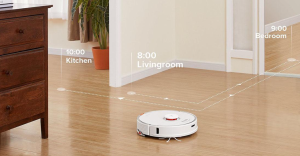
I want you to consider how often do you use vacuum at home.
Of clean floors every day without the effort of manually cleaning, robot vacuum is a great investment. Founded cleaning keeps dust at bay and reduces work and effort.
An upright vacuum might be satisfactory if you just clear once per week. It Powerfully sucks up all the dirt that has been built up over time in a single pass.
Many homeowners combine both approaches. Robotic cleaning every day means less dust to build up, but upright vacuuming weekly gives that deep clean.
The way you clean your home should be influencing your purchasing decision.
Budget
Budget is another important consideration.
Generally, basic upright vacuums are cheaper than robot vacuums. They are also reasonably priced and clean incredibly well.
Robot vacuums are pricier since they feature futuristic tech like laser navigation, smartphone apps, obstacle detection and automatic recharging.
Premium versions with dock-less self-cleaning are even more expensive.
The initial investment might be more expensive, but many users are thankful for the hours saved from the automations.
It is always recommended to go for that vacuum which provides best value-to-price ratio or features-to-price ratio.
Noise Level
Why vacuum noise influences your whole clean-up experience.
Robot Vacuum: Robot vacuums usually have a quieter performance than scores of upright vacuums. So, they appeal to households with children and pets or people working from home.
Some upright vacuums can be noisier due to the powerful motor inside. But, it does the deep cleaning in a much shorter time.
If you want something that runs and operates quietly a robot vacuum is the better choice.
Battery Runtime
Battery life is particularly important when selecting a robot vacuum or cordless upright vacuum.
Most basic robot vacuums offer a battery life of about 90 minutes. Premium models usually run between three to four hours between recharges.
Most robot vacuums return to base to recharge and then resume cleaning, a feature enabled by automatic recharge-and-resume technology that is especially important for finishing big homes.
So cordless upright vacuum generally goes from 30 — 90 minutes at best with the amount of power you set.
When you deal with large areas on a regular basis, battery capacity should definitely be your primary concern.
Smart Features
Most modern vacuums are equipped with intelligent features that enhance convenience.
Popular smart features include:
- Wi-Fi connectivity
- Smartphone app control
- Voice assistant support
- Room mapping
- Virtual boundaries
- Automatic suction adjustment
- Self-emptying dust stations
- Scheduled cleaning
- Multi-floor mapping
These features make it substantially less effort intensive to use and also lend towards improving the effectiveness of the devices.
If you love smart home technology, these functions certainly add huge value.
Warranty and Customer Support
Now a vacuum cleaner is an investment for the long-term. This is also why warranty coverage and customer support are essential.
Select a manufacturer known for their high-quality and dependable product.
Search for warranties that will protect the motor, battery and any serious aspects.
Check the availability of spare parts and customer service in your country.
An additional reassurance because having aftersales support is essential so your investment is well protected.
Use Them both Together?
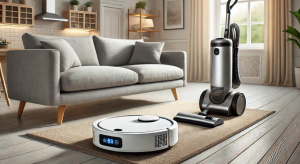
Common misconception among homeowners that they can only choose between a robot vacuum or an upright vacuum. However, the best results are often obtained from using both.
Whether it be dust, crumbs or pet fur a robot vacuum cleans your floors every day. An upright vacuum, meanwhile, is used for deep cleaning and needs more powerful suction.
Rather than acting as replacements for one another, the pair of systems complement each other quite nicely. This enables you to keep having a cleaner home more effortlessly than you without a doubt would.
We will then break down using robot vacuuming daily in combination with upright weekly for a full home cleaning.
Robot Vacuum Daily Cleaning
When you need clean floors every single day, get a robot vacuum.
You can set a cleaning before heading to work in the morning or even at night. The vacuum goes about its business vacuuming up dust, crumbs, and pet hair as it moves around furniture.
Your home stays cleaner through the week because dirt never gets a chance to accumulate.
Daily robotic cleaning also reduces the need for extensive deep cleaning later on.
Weekly Vacuum with an Upright
While robot vacuums are great for daily maintenance they cannot substitute from deep cleaning.
An upright vacuum when comes to taking out the dirt embedded deep in carpets, upholstery, stairs and rugs
And, vacuuming once a week gets rid of the allergens, pet hair and large debris that collect over time.
This combination will keep every area of your home looking sharp and well-cared for.
Final Verdict
When to Pick a Robot Vacuum vs. an Upright vacuum also relies on your cleaning habits, floors you have in-house, the price range, and the lifestyle that fits you. Both machine offer great benefits in their own right, but they are suited for different uses.
What a robot vacuum is all about. It does this without your involvement as it is programmed to clean up all your floors, obey schedules and reduce the time you require for the common household work. This makes it an ideal option for busy homeowners wanting regular floor care with little effort.
In contrast, an upright vacuum provides sucking power that can go deep. Better on dense and deep pet hair which is more attached in to the carpets than most robots clean up embedded dirt, grime, sand and allergens out of any carpet as per our experience. Still, it is preferred for more deep weekly cleaning.
They are cleaning tools, which when thought not as competitors, but as complements. A robot vacuum maintains cleanliness in your home everyday while an upright vacuum takes care of the heavy lifting when necessary.
If your budget permits, both machines gives you the most thorough coverage for cleaning. You want automation without losing deep-cleaning.
The best vacuum is the one that fits your home and your everyday routine.
Frequently Asked Questions
Can a robot vacuum do the same as an upright vacuum?
For daily cleaning needs, a robot vacuum may be able to take over where an upright could go, but not for all deep-cleaning jobs. This will be fine on hardwood floors, tile, laminate, and low-pile carpets. But upright vacuums provide much higher suction for dense carpets and heavy debris, as well as for ground-in dirt.
Which Vacuum Does Better with Pet Hair?
A robot vacuum for pet hair that picks up stray fur daily before it has a chance to travel all over your house. On the other hand, an upright vacuum easily picks up deeply embedded pet hair clinging to carpets, furniture and stairs.
Does Robot Vacuum Works good on Carpet?
Robotic vacuum cleaners of today do a good job of collecting debris from low-pile and medium-pile carpets. Most premium models automatically ramp up suction when a carpet is detected.
However, they still can not perform as well on thicker or plush carpeting in deep-cleaning tests compared with an upright vacuum.
Which Vacuum Is Best For Hardwood Floors?
Their gentle bristles are compact and the intelligent navigation dust without scratching sensitive surfaces. Its design also allows it to clean under furniture where manual vacuums often cannot.
If you use an upright vacuum, it should also be able to turn off the rotating brush.
What I will ask is well shall we answer the question: Is a Robot Vacuum Worth it?
Yes. Robot vacuums are awesome for the homeowner who wants to save time.
They might cost a little more than many traditional vacuums, but they save on cleaning time every day and have household cleanliness out of the box.
Which Vacuum is Easier to Maintain?
Every type of a vacuum needs maintenance regularly.
A few items, including brush cleaning, filter replacement (after certain usage hours), sensor cleaning and sometimes software updates.
Maintenance plans are broadly similar but self-emptying robot vacuums dramatically cut down on labor.
How Much Do Robot Vacuums Last?
An average, decent robot vacuum tends to have a lifespan of 4 to 7 years with proper care. Within few years, with constant usage you might need to change battery.
Regular maintenance by cleaning the brushes, changing filters and updating the software can go a long way to increase the life of the cleaner.
Which Is Better for Allergy Sufferers?
When used consistently, both vacuums assist in reducing allergens. Robot vacuum cleaners eliminate dust on a daily basis, so it does not gather on floors.Upright vacuums with HEPA filtration remove microscopic allergens during deep cleaning more effectively.