Complete Guide to Car Vacuum Cleaners

Complete Guide to Portable Car Vacuum Cleaners, Tips & Reviews

Complete Guide to Portable Car Vacuum Cleaners, Tips & Reviews

The Complete Guide to Car Vacuum cleaners is here to help you understand everything about keeping your car clean in a way. Your car gets dirty quickly. Dust comes in through the windows and vents. Food crumbs fall on the seats and carpets. Pet hair sticks to the fabric. Over time, this creates an uncomfortable environment inside your car.

A regular vacuum cleaner is not always the solution for cleaning your car. It is often too big and hard to use inside a car. This is where portable car vacuum cleaners come in.

In this Complete Guide to Car Vacuum cleaners, you will learn about the features and technologies available in 2026. The market for car vacuum cleaners has improved a lot. Modern car vacuums are more powerful and efficient. They come with a longer battery life and useful attachments. Some even include filters that improve the air quality inside your car.

This Complete Guide to Car Vacuum Cleaners also explains how to choose the car vacuum. Not every car vacuum product is good. Some car vacuums look attractive. Do not perform well. That is why understanding features like suction power, battery life and attachments is very important.

By the end of this articale to Car Vacuum cleaners, you will know how to select, use and maintain a car vacuum. This will help you keep your car clean, fresh and comfortable at all times.

Why Portable Car Vacuums Are a Must-Have in 2026

Complete Guide to Car Vacuum Cleaners

Car vacuums have become essential in modern life. People spend time in their cars than before. Cars are no longer for traveling. They are used for work eating and relaxing. This leads to dirt and mess inside the car.

In this Complete Guide to Car Vacuum cleaners it is clear that convenience is the reason for their popularity. You no longer need to visit a car cleaning service. You can clean your car at home or even on the road. This saves both time and money.

Technology has also improved significantly. Modern portable car vacuums are more powerful than models. They provide suction while staying compact. This makes them perfect for cleaning car seats, carpets and small corners.

Another reason is hygiene. A clean car reduces allergens like dust and pet dander. This is very important for people with allergies. A portable car vacuum helps maintain an environment inside the car.

The Complete Guide to Car Vacuum cleaners shows that these car vacuum devices are also very easy to store. Most car vacuum models are small enough to fit in a glove box or under a car seat. This means you can carry them anywhere.

Overall, portable car vacuums are not a luxury anymore. They are a necessity. They make cleaning simple, quick and efficient.

The Rise of On-the-Go Cleaning

The concept of cleaning has changed over the years. People now prefer easy solutions. On-the-go cleaning is becoming very popular.

In this Complete Guide to Car Vacuum cleaners on-the-go cleaning means cleaning your car anywhere. You do not need a fixed setup. You do not need equipment. A small car vacuum is enough.

Busy lifestyles are one of the reasons for this trend. People do not have time for cleaning sessions. They prefer cleanups during short breaks. A portable car vacuum makes this possible.

Another factor is ride-sharing and food delivery services. These activities increase the amount of dirt inside cars. Drivers need to keep their cars clean all the time. Portable car vacuums help them maintain cleanliness easily.

The Complete Guide to Car Vacuum cleaners also highlights the role of cordless technology. Cordless car vacuums allow freedom of movement. You can clean your car without worrying about power sources.

This trend is expected to grow more in the future. People want convenience and speed. Portable car vacuums perfectly match these needs.

Compact Power: Small Size, Strong Performance

One of the advantages of modern car vacuums is their compact size. They are small but very powerful.

In this Complete Guide to Car Vacuum cleaners compact design does not mean performance. New car vacuum models come with motors. They provide suction power. This helps remove dirt, dust and pet hair

These car vacuums are also lightweight. This makes them easy to handle. You can clean your car without feeling tired. You can reach areas without any problem.

Another benefit is storage. Large car vacuums take up a lot of space. Portable car vacuums do not. You can keep them inside your car. This makes them always ready to use.

The Complete Guide to Car Vacuum cleaners explains that compact car vacuums also come with attachments. These attachments improve cleaning efficiency. They help you corners, gaps and delicate surfaces.

Overall compact power is a reason why portable car vacuums are so popular. They combine convenience with performance. This makes them the perfect choice for car cleaning.


What Makes a Portable Car Vacuum Worth Buying?

Complete Guide to Car Vacuum Cleaners

Choosing the car vacuum is very important. Not all portable car vacuums perform well. Some car vacuums look attractive. Fail in real use. That is why this Complete Guide to Car Vacuum cleaners focuses on features you must check before buying a car vacuum.

A good portable car vacuum should offer suction, useful attachments and reliable battery life. These features decide how well the car vacuum will clean your car. Without them cleaning becomes slow and frustrating.

Another important factor is ease of use. A car vacuum should be lightweight and easy to handle. You should be able to move it inside your car. Tight spaces require design and good grip.

In this Complete Guide to Car Vacuum cleaners build quality also matters. A durable car vacuum lasts longer. Performs better over time. Cheap car vacuum models may break quickly. Lose suction power. Investing in a car vacuum model saves money in the long run.

Noise level is another feature to consider. Some car vacuums are very loud. A quieter car vacuum model makes cleaning more comfortable. This is especially useful if you clean your car often.

Finally always check user reviews and ratings. Real experiences help you understand car vacuum product performance better. This Complete Guide to Car Vacuum cleaners encourages buying decisions based on real data not just marketing claims.

Suction Strength That Actually Works

Suction power is the most important feature in any car vacuum. Without suction cleaning becomes ineffective.

In this Complete Guide to Car Vacuum cleaners suction is measured in Pascal (Pa) or Air Watts (AW). For car cleaning at 6000 Pa is recommended. This level can handle dust, crumbs and pet hair easily.

Low-suction car vacuums only move dirt around. They do not pick it up properly. This wastes time and effort. That is why checking suction power is very important before buying a car vacuum.

Different surfaces require suction levels. Carpets and fabric car seats need suction. Hard surfaces need suction. A good car vacuum should handle both types easily.

The Complete Guide to Car Vacuum cleaners also suggests looking beyond numbers. Real performance matters more than specifications. Always read reviews to see how the car vacuum works in situations.

Strong suction improves cleaning speed. You do not need to go over the area many times. This makes cleaning more efficient.

In short suction strength decides the performance of your car vacuum. Always choose wisely.

Cordless Freedom vs Plug-In Reliability

Complete Guide to Car Vacuum Cleaners

Choosing between cordless and plug-in car vacuums depends on your needs. Both have advantages.

In this Complete Guide to Car Vacuum cleaners cordless car vacuums are known for convenience. They are easy to use and portable. You can clean anywhere without worrying about power sources. This makes them perfect for cleanups.

Cordless car vacuum models are also lightweight. They are easy to store and carry. However they depend on battery life. Once the battery runs out you need to recharge.

On the hand plug-in car vacuums offer consistent power. They connect to your car’s 12V socket. They do not lose suction over time. This makes them ideal for cleaning sessions.

The Complete Guide to Car Vacuum cleaners explains that corded car vacuum models are better, for dirt. They work after road trips or long use.

However cords can limit movement. You may find it harder to reach areas.

In conclusion cordless car vacuums

Charging time is also something to think about when you’re buying a car vacuum cleaner. Some car vacuum cleaners take 2 hours to charge. Others take a lot longer to charge. It is always better to have a car vacuum cleaner that charges faster.

The Complete Guide to Car Vacuum cleaners says you should choose car vacuum cleaners that have battery indicators. This helps you see how much power is left in the car vacuum cleaner.

Some car vacuum cleaners have features like replaceable batteries. This means you can clean for a time without waiting for the car vacuum cleaner to recharge.

Good battery performance is important for cleaning your car and without any interruptions. You should always think about this before you buy a car vacuum cleaner.

How to Use a Portable Car Vacuum Cleaner Effectively

Using a car vacuum cleaner the way is very important. Even the best car vacuum cleaner will not work well if you use it the way.

In this Complete Guide to Car Vacuum cleaners using a car vacuum cleaner correctly starts with getting your car ready. You should remove things from your car to make it easier to clean. This also helps prevent damage to the car vacuum cleaner.

You should always clean your car in the order. Start with the parts like the seats. Then move to the parts like the floors. This stops dirt from falling onto the parts of your car.

The Complete Guide to Car Vacuum cleaners also says it is important to move the car vacuum cleaner. If you move it fast it will not suck up dirt well. Moving the car vacuum cleaner slowly and steadily gives results.

Using the tool for each part of your car is also important. Each part of your car needs a tool. If you use the tool it may not clean well.

Cleaning your car regularly is the key to keeping it clean. If you clean a little every week you can prevent dirt from building up.

If you follow the techniques you can get better results from cleaning your car with less effort.

Preparing Your Car Before Cleaning

Getting your car ready for cleaning makes it easier and faster to clean.

In this Complete Guide to Car Vacuum cleaners you should start by removing all the trash from your car. Take out bottles, wrappers and other loose things. This gives you space to use the car vacuum cleaner.

Next remove the floor mats from your car. Shake them outside to get rid of dirt. This makes it easier for the car vacuum cleaner to clean.

Move the seats in your car forward and backward. This helps you get to the hidden parts of your car where dirt often collects.

The Complete Guide to Car Vacuum cleaners also says you should open all the doors of your car. This makes it easier to get to all parts of your car. Gives you more light.

Check the car vacuum cleaner before you use it. Make sure the dustbin is empty and the right nozzle is attached. Getting your car ready properly saves you time. Makes cleaning more effective.

Step-by-Step Cleaning Process

Complete Guide to Car Vacuum Cleaners

Following a cleaning process ensures that you clean your car effectively.

In this Complete Guide to Car Vacuum cleaners you should start with the seats. Use a brush tool to loosen the dirt. Then use the car vacuum cleaner slowly.

Next clean the dashboard and the center console. Use brushes to avoid scratching these parts.

Then move to the floor area. Use the car vacuum cleaner carefully on the carpets and footwells. Make sure to clean under the seats

The Complete Guide to Car Vacuum cleaners suggests cleaning the mats. This gives you results.

Finally clean the trunk area. This part of your car often has a lot of dirt.

Following a step-by-step method helps you make sure you do not miss any part of your car.

Reaching Tight Corners and Hidden Spots

The hidden parts of your car collect the dirt.

In this Complete Guide to Car Vacuum cleaners you should use crevice tools to get into spaces. Put them into the gaps slowly.

Clean between the seats and the doors. These parts often trap crumbs and dust.

The Complete Guide to Car Vacuum cleaners also says you should clean the seat rails. Dirt builds up around them.

Use hoses to reach better. They help you clean the angles.

Cleaning the hidden spots carefully improves the results.

Cleaning Seats, Mats and Dashboard Properly

Different parts of your car need cleaning methods.

In this Complete Guide to Car Vacuum cleaners if your car has fabric seats you should brush them first. This loosens the dirt and hair.

If your car has leather seats you should clean them gently. Use brushes and low suction.

You should clean the floor mats outside your car. Use the car vacuum cleaner on both sides of the mats.

The Complete Guide to Car Vacuum cleaners also says you should clean the dashboard carefully. Use brushes for the vents and panels. Cleaning the parts of your car properly keeps it looking new and well-maintained.

Maintenance Tips to Keep Your Vacuum Performing Like New

Taking care of your car vacuum cleaner is very important. A maintained car vacuum cleaner works better and lasts longer. Many people ignore this step, which reduces the efficiency of the car vacuum cleaner over time.

In this Complete Guide to Car Vacuum cleaners regular maintenance is strongly recommended. Dust and debris can block the filters. Reduce the suction power. Cleaning the car vacuum cleaner keeps it working at power.

Another important thing is hygiene. A dirty car vacuum cleaner spreads dust of removing it. This affects the air quality inside your car. Taking care of the car vacuum cleaner prevents this problem.

The Complete Guide to Car Vacuum cleaners also highlights the cost savings. A maintained car vacuum cleaner does not need to be replaced often. This saves you money in the run.

How you store the car vacuum cleaner also matters. Keeping it in a place prevents damage. Avoid moisture and extreme heat. These conditions can harm the parts of the car vacuum cleaner.

Taking care of the battery is also essential for cordless models. Proper charging habits improve the life of the battery. Ignoring this can reduce the performance of the car vacuum cleaner quickly.

Simple maintenance steps can make a difference. They improve the results of cleaning. Extend the life of the car vacuum cleaner.

In short taking care of your car vacuum cleaner ensures it works well for a time. Follow these tips to keep your car vacuum cleaner working like new.

Complete Guide to Car Vacuum Cleaners

Cleaning and Replacing Filters

The filters are the heart of your car vacuum cleaner. They trap dust and allergens.

In this Complete Guide to Car Vacuum cleaners cleaning the filters regularly is very important. Dirty filters reduce the suction power. This makes cleaning less effective.

Portable car vacuum cleaners use washable filters. You should clean them after every uses. Rinse them with water. Let them dry completely.

The Complete Guide to Car Vacuum cleaners warns against using filters. This can damage the motor. Always make sure the filter is fully dry before you use it.

Some filters need to be replaced after a months. This depends on how you use the car vacuum cleaner. Check the manufacturers guidelines for details.

High-quality filters improve the air quality. They capture dust and allergens. This is helpful for people with allergies.

Keeping the filters clean ensures suction power. It also improves the lifespan of your car vacuum cleaner.

Emptying the Dust Container Regularly

A full dust container reduces the performance of the car vacuum cleaner. It blocks airflow. Lowers the suction power. In this Complete Guide to Car Vacuum cleaners it is recommended to empty the dustbin after every use. This keeps the car vacuum cleaner efficient. Waiting long can cause dirt buildup. This may lead to odors. It can also make cleaning. The Complete Guide to Car Vacuum cleaners suggests cleaning the dust container with a cloth. Some models allow washing. Always dry it completely before you reuse it.

Regular emptying also prevents clogging. This ensures airflow and better suction power. Keeping the dust container clean improves the performance of the car vacuum cleaner. It also keeps the car vacuum cleaner hygienic.

Proper Storage for Lifespan

How you store the car vacuum cleaner plays a big role in how long it lasts. Poor storage can damage the car vacuum cleaner. In this Complete Guide, to Car Vacuum cleaners you should always store the car vacuum cleaner in an dry place. Avoid sunlight. Heat can damage the parts of the car vacuum cleaner.

When you are looking for a car vacuum cleaner there is one mistake that people make. They ignore how well the vacuum cleaner works. A lot of people only think about how the vacuum cleaner looks.

Another mistake is not checking how strong the suction is. If the suction is not strong it is hard to clean the car The Complete Guide to Car Vacuum cleaners also talks about the importance of filters. If the filters are not good the air quality in the car will not be good.

The price of the vacuum cleaner is also something to think about. If you buy a vacuum cleaner you might save money at first.. The vacuum cleaner might not work well for a long time.

Not reading reviews from people who have used the vacuum cleaner is also a mistake. Reading reviews helps you make a decision when you are buying a vacuum cleaner.

If you avoid these mistakes you will have a time buying a vacuum cleaner.

Ignoring Suction Power Specs

The suction power of a vacuum cleaner is what makes it work well. If you ignore the suction power you are making a mistake. In the Complete Guide to Car Vacuum cleaners it is always an idea to check the specifications of the vacuum cleaner. Look for vacuum cleaners that have suction.

If the suction is not strong it is hard to remove dirt from the car. This means that the car will not be cleaned properly.

The Complete Guide to Car Vacuum cleaners suggests that you should compare vacuum cleaners. This helps you find the one.

If the suction is strong it saves you time and effort. It also makes the cleaning process more efficient.

Choosing Style Over Performance

The way a vacuum cleaner looks is important. How well it works is more important. In the Complete Guide to Car Vacuum cleaners a lot of people choose vacuum cleaners that look good.. These vacuum cleaners might not work well. A good vacuum cleaner should look good. Work well.

The Complete Guide to Car Vacuum cleaners recommends that you should think about how the vacuum cleaner works before you think about how it looks.

Always check what features the vacuum cleaner has before you think about how it looks. This helps you get results.

Overlooking Filter Quality

The filters in a vacuum cleaner are important for cleaning and air quality. In the Complete Guide to Car Vacuum cleaners it is important to have filters. Good filters trap dust and allergens.

If the filters are not good dust will escape. This reduces the efficiency of the vacuum cleaner.

The Complete Guide to Car Vacuum cleaners suggests that you should choose vacuum cleaners with HEPA filters when you can.

Good filters make the vacuum cleaner work better. Are better for your health.

Real-Life Use Cases: Where These Vacuums Shine

Complete Guide to Car Vacuum Cleaners

Portable car vacuums are very useful. They are useful in everyday situations. In the Complete Guide to Car Vacuum cleaners real-life use cases show how useful these vacuums are. They are not for deep cleaning. They are also helpful for cleanups.

A lot of people use them after trips. Dust and small debris can collect quickly. Using a vacuum cleaner keeps the car clean.

The Complete Guide to Car Vacuum cleaners also talks about how useful these vacuumsre for families. Kids often drop food and snacks. Cleaning becomes easy with a vacuum cleaner.

People who have pets also benefit from these vacuums. Pet hair sticks to seats and carpets. A good vacuum cleaner removes it quickly.

Travelers find these vacuums very useful. Long trips can create a lot of mess. Portable vacuum cleaners help keep the car clean on the go.

These vacuums are also helpful for people who drive for companies like Uber. Clean cars create an impression. This can improve ratings and customer experience. In short portable car vacuums are useful for everyone. They make cleaning the car simple and fast.

Quick Daily Cleanups

Cleaning your car every day keeps it fresh. Small efforts can make a difference. In the Complete Guide to Car Vacuum cleaners quick cleanups are highly recommended. Dust and crumbs can build up every day. Removing them early prevents messes.

Portable vacuum cleaners are perfect for this task. They are easy to use and store.

The Complete Guide to Car Vacuum cleaners suggests that you should clean high-use areas every day. Focus on seats, floor mats and the dashboard. Short cleaning sessions save time. They also reduce the need for cleaning later.

Consistency is the key to keeping your car clean.

Deep Cleaning After Road Trips

Road trips can create a lot of mess. Dirt, snacks and dust can collect quickly. In the Complete Guide to Car Vacuum cleaners, deep cleaning after trips is essential. It restores cleanliness and comfort.

Start by removing trash and large debris. Then vacuum all surfaces carefully.

The Complete Guide to Car Vacuum cleaners recommends using suction for carpets and seats.

Deep cleaning also removes dirt. This improves hygiene and air quality.

Regular deep cleaning keeps your car in condition.

Handling Kids’ Mess & Pet Hair

Kids and pets can create a lot of mess. Food crumbs and hair are problems. In the Complete Guide to Car Vacuum cleaners, portable vacuum cleaners are the solution. They handle these issues easily. Use brush attachments for hair. They help remove hair from seats.

The Complete Guide to Car Vacuum cleaners also suggests cleaning. This prevents buildup over time. Keeping your car clean becomes easier with use.

Tips for Keeping Your Car Interior Cleaner for Longer

Complete Guide to Car Vacuum Cleaners

Keeping your car clean is not difficult. Simple habits can make a difference.

In the Complete Guide to Car Vacuum cleaners prevention is the key. Reducing dirt helps maintain cleanliness for longer. Avoid eating inside the car when possible. Food crumbs can create mess quickly.

The Complete Guide to Car Vacuum cleaners also suggests dusting. This prevents buildup over time.

Using accessories also helps. Floor mats and seat covers reduce dirt contact.

Cleaning regularly keeps your car fresh and hygienic.

Simple Habits That Reduce Dirt Build-Up

Habits can keep your car clean. In the Complete Guide to Car Vacuum cleaners always remove trash immediately. Do not let it pile up. Shake floor mats regularly. This removes dirt.

The Complete Guide to Car Vacuum cleaners also suggests keeping wipes in your car. Quick cleaning prevents buildup.

Consistency is important. Daily care reduces cleaning later.

Managing Food, Dust and Pet Hair

Food and dust are problems. Pet hair adds to the mess. In the Complete Guide to Car Vacuum cleaners limit eating inside the car. This reduces crumbs.

Clean surfaces regularly to remove dust.

The Complete Guide to Car Vacuum cleaners suggests vacuuming areas often. This prevents hair buildup.

Proper management keeps your car fresh and clean.

Using Floor Mats and Seat Covers Protective accessories are very helpful.

In the Complete Guide to Car Vacuum cleaners floor mats protect carpets from dirt. They are easy to clean.

Seat covers protect seats from stains and damage.

The Complete Guide to Car Vacuum cleaners recommends choosing materials. This makes maintenance easier.

Using these accessories extends the life of your car interior.

Final Thoughts

In conclusion, the Complete Guide to Car Vacuum cleaners shows that keeping your car clean is simple with the tools and habits. Portable car vacuums offer convenience, efficiency and flexibility. They help maintain cleanliness in life.

Choosing the vacuum cleaner depends on your needs. Features like suction power, battery life and attachments are important. Regular maintenance also ensures long-term performance.

The Complete Guide to Car Vacuum cleaners highlights that both cordless and corded options have benefits. The right choice depends on your lifestyle.

Avoid buying mistakes. Focus on performance over design. Always check reviews and specifications.

Regular cleaning and good habits keep your car fresh. Small efforts prevent problems.

Overall a portable car vacuum cleaner is an investment. It improves comfort, hygiene and driving experience.

FAQs

  1. What is the best portable car vacuum?
    The best vacuum depends on your needs. Look for strong suction and good battery life.
  2. How often should I vacuum my car?
    In this Complete Guide to Car Vacuum cleaners, weekly cleaning is recommended. Daily quick cleanups are helpful.
  3. Are cordless car vacuums better?
    They are more convenient. But corded vacuums offer stronger and consistent power.
  4. What suction power is good for car vacuums?
    At least 6000 Pa is recommended for effective cleaning.
  5. Can I use a regular vacuum for my car?
    Yes, but portable vacuums are more convenient and easier to use.
  6. How long should a cordless vacuum battery last?
    A good battery lasts 15 to 30 minutes per charge.
  7. Do car vacuums remove pet hair?
    Yes, especially with brush attachments. They work very well.
  8. How do I maintain my car vacuum?
    Clean filters, empty the dustbin, and store properly.
  9. Are HEPA filters important?
    Yes, they improve air quality by trapping fine dust.
  10. Is a car vacuum worth buying?
    Yes, it saves time and keeps your car clean and fresh.
Best Vacuum Cleaner Reviews 2026 Featured image

Best Vacuum Cleaner Reviews 2026

Best Vacuum Cleaner Reviews 2026

When it comes to keeping your home clean, a vacuum cleaner is something you rely on every day. If you choose the one that cleaning can be frustrating, take a lot of time, and not even get the job done properly. That is why picking the vacuum cleaner in 2026 is more important than ever.

Modern vacuum cleaners do more than just pick up dust. They help make the air inside your home cleaner, remove things that make you sneeze, and reduce the growth of germs in your living space. Many good-quality vacuums now have filters that catch tiny dust particles, making them super helpful for people who have allergies or breathing problems.

Another thing to think about is time. A Best Vacuum Cleaner Reviews 2026 saves you effort. Makes cleaning faster. Instead of spending hours cleaning by hand, you can finish the job quickly or even let a smart vacuum do it all for you. This means you have free time and less stress about cleaning the house .

Best Vacuum Cleaner Reviews 2026 image

Types of Vacuum Cleaners

Upright Vacuum:

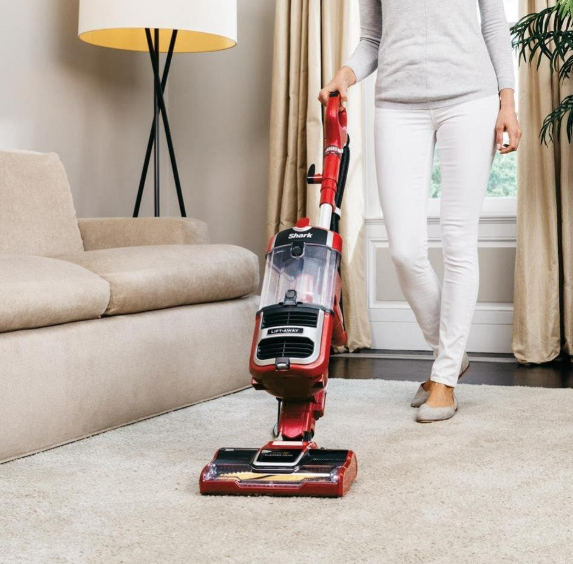
These vacuums are known for their suction and deep cleaning ability. They are ideal for carpets and large areas. These machines are often used in homes with foot traffic because they can remove dirt deeply embedded in carpet fibers.

Cordless Stick Vacuum:

Cordless vacuums are lightweight, portable, and very easy to use. They are perfect for cleaning tasks and small spaces. With battery technology in 2026, many cordless models now offer strong suction comparable to traditional vacuums.

Robot Vacuum:

Robot vacuums are designed for convenience. They can clean your home automatically using sensors and mapping technology. You can control them using your smartphone, and some models even empty themselves after cleaning.

Canister Vacuum:

Canister vacuums are powerful and flexible. They work well on both carpets and hard floors. Their design allows movement around furniture, making them a good choice for detailed cleaning.

removing pet hair Vacuum Cleaner

Top Vacuum Cleaners of 2026

Best Overall Vacuum

The overall vacuum cleaner in 2026 offers a perfect balance of power, durability, and filtration. High-end canister models lead in this category because they deliver suction and long-lasting performance.

Best Cordless Vacuum

Cordless vacuums have become extremely popular due to their convenience. The best models in 2026 include features like dust sensors, long battery life, and strong suction. They are perfect for cleaning.

Best Robot Vacuum

Robot vacuums in 2026 are smarter than ever. They can map your home, avoid obstacles, and clean efficiently without supervision. These are ideal for people who want automated cleaning.

a-smart-robot-vacuum-cleaning-a-modern-home-floor-

Best Upright Vacuum

For cleaning, upright vacuums remain a top choice. They are especially useful for homes with carpets and pets. Their powerful motors ensure cleaning.

Best Budget Vacuum

Budget vacuums are an option for those who want basic cleaning performance without spending too much. Many affordable models now include suction and filtration features.

Comparison Table

 Type                    Best For                   Key Advantage                 Price Level 

Upright                 Carpets                    Strong suction                 Medium 

Cordless               Quick cleaning           Lightweight                    Medium 

Robot                   Automation              Hands-free cleaning          High    

Canister                 Versatility,                Flexible cleaning,               High 

Budget                  Small homes             Affordable                        Low 

Key Features to Consider

Suction Power:

Suction power determines how effectively a vacuum can pick up dirt. Higher suction means cleaning, especially on carpets and rugs.

Filtration System:

A good filtration system helps trap dust and allergens. HEPA filters are an option for maintaining clean indoor air.

Battery Life:

For cordless vacuums, battery life is crucial. Look for models that offer at least 30 to 60 minutes of runtime.

Smart Features:

Modern vacuums come with features like app control, voice commands, and automatic scheduling. These features make cleaning easier and more efficient.

Buying Guide Based on Needs

Small Homes:

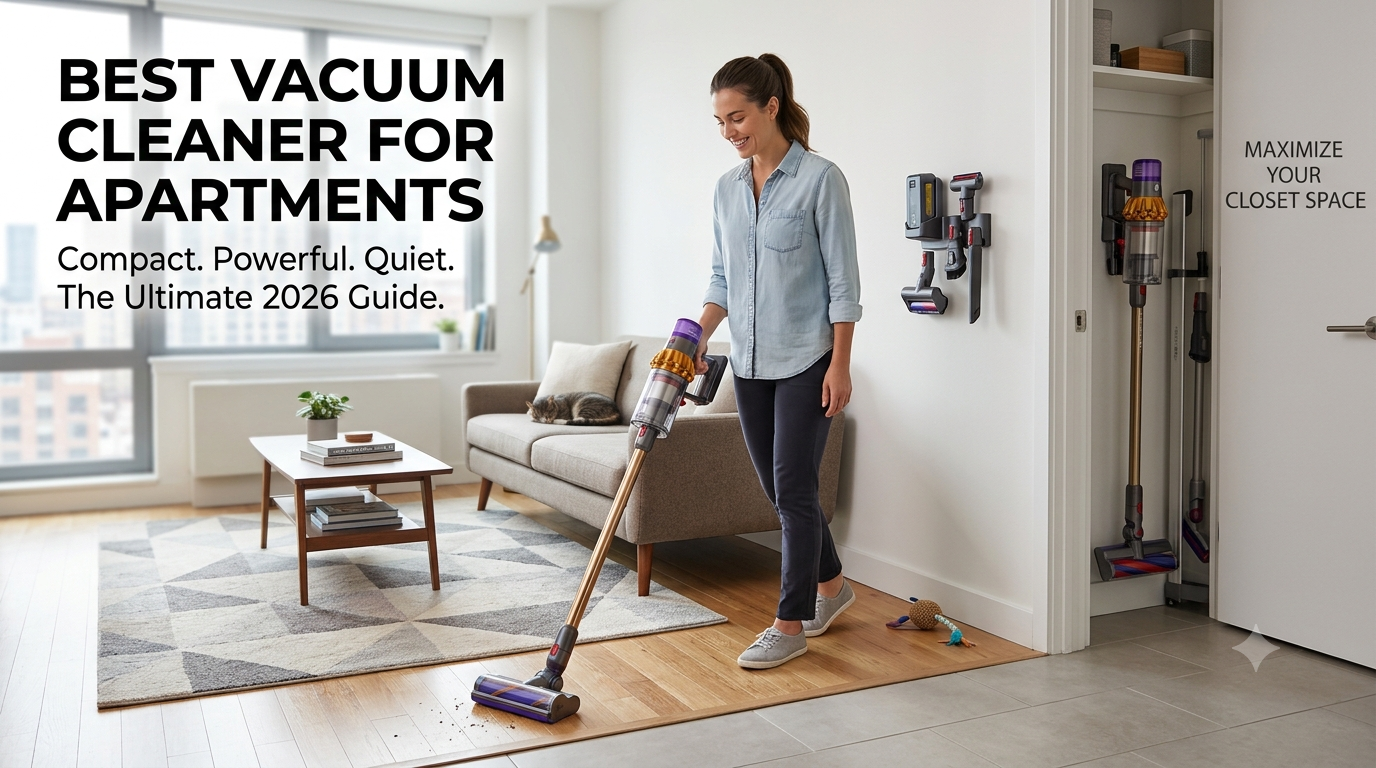
If you live in an apartment, a cordless or compact vacuum is the best choice. It is easy to store and perfect for cleaning.

Pet Owners:

Pet owners should look for vacuums with suction and special brushes designed to remove pet hair. Upright vacuums are usually the option.

Large Houses:

For homes, using a combination of a robot vacuum and a powerful upright vacuum works best. The robot handles cleaning while the upright is used for deep cleaning.

Pros and Cons                 

 Pros                                 Cons                

 cleaning                          models

 Smart features                Battery limits

 Air quality                       Maintenance needed

 Multiple options            Learning curve

 Latest Trends in 2026

The best vacuum cleaner reviews 2026 are becoming smarter and more efficient. Many models now use intelligence to detect dirt levels and adjust suction power automatically. Some even provide cleaning reports through apps.

Another trend is eco- design. Manufacturers are focusing on energy efficiency and reusable components to reduce impact. This makes modern vacuums not only powerful but also sustainable.

Conclusion

Choosing the vacuum cleaner in 2026 depends on your needs, budget, and lifestyle. Whether you prefer an upright vacuum, a lightweight cordless model, or a fully automated robot vacuum, there is an option available for everyone.

The key is to focus on features that matter most to you, such as suction power, filtration, and convenience. Once you make the choice, cleaning your home becomes faster, easier, and much more effective.

 FAQs

1. What is the best type of vacuum cleaner for home use?

It depends on your needs. Upright vacuums are best for carpets, while cordless vacuums are great for cleaning.

2. Are robot vacuums worth buying?

Yes, they save time. Offer automatic cleaning, especially for daily maintenance.

3. Which vacuum is best for hair?

Upright vacuums with suction and special brushes work best for removing pet hair.

4. How long does a cordless vacuum battery last?

Most cordless vacuums last between 30 and 60 minutes, depending on usage.

5. Do expensive vacuums perform better?

In cases, yes. Expensive models offer suction, durability, and advanced features.

Best Vacuum Cleaner for Home 2026: What Is It?

Introduction to Vacuum Cleaners

In today’s fast-paced world, maintaining a clean and healthy home is more important than ever, and vacuum cleaners have become a true game-changer. They offer a faster, easier, and more effective way to clean compared to traditional sweeping and dusting, saving both time and effort.

Modern vacuum cleaners go beyond surface cleaning by removing dust, dirt, allergens, and microscopic particles that affect indoor air quality. This makes them essential for healthier living, especially for households with allergies, pets, or air pollution concerns.

Vacuum cleaners are also highly versatile, with attachments that allow cleaning of carpets, sofas, curtains, mattresses, and even car interiors. With advancements in technology, today’s models include cordless, robotic, and high-efficiency filtration systems, making home cleaning more convenient than ever.

Ultimately, vacuum cleaners are no longer just a convenience—they are a must-have home appliance that ensures better hygiene, saves time, and supports modern lifestyles.

Why Vacuum Cleaners Are Essential Today

Why Vacuum Cleaners Are Essential Today

Let’s be honest—cleaning is not anyone’s favorite task. If we rely only on a broom and mop, dust often just moves around instead of being properly removed. That’s why vacuum cleaners have become an essential part of modern homes. They make cleaning faster, easier, and far more effective.

Today, cleanliness is not just about appearance—it’s about health. Dust, pet hair, pollen, and tiny allergens can build up in carpets, sofas, and curtains, even when a home looks clean. These hidden particles can cause allergies and breathing problems over time.

Vacuum cleaners solve this problem by using strong suction to remove dirt from deep inside surfaces. Unlike sweeping, they extract dust instead of spreading it, making homes truly clean and hygienic.

They also save a lot of time and effort, which is important in busy modern lifestyles. With features like cordless design and smart cleaning modes, they make household cleaning much more convenient.

In addition, vacuuming regularly helps protect furniture and flooring by preventing long-term damage from dust buildup. Many modern models also include HEPA filters that improve indoor air quality by trapping fine particles.

Overall, vacuum cleaners are no longer just a convenience—they are a necessary tool for maintaining a clean, healthy, and comfortable home.

Evolution of Cleaning Technology

Vacuum cleaners have come a long way since their bulky, noisy beginnings. Early models were massive, heavy, and far from user-friendly. But today, we have sleek, lightweight, and even intelligent devices that can clean your home while you relax on the couch.

Modern innovations include robotic vacuum cleaners that use AI and sensors to navigate your home, cordless models that eliminate tangled wires, and HEPA filtration systems that trap allergens. The shift toward smart home technology has also influenced vacuum cleaner designs, making them more efficient and user-centric.

Interestingly, the rise of robotic vacuums is one of the fastest-growing segments in the market due to their automation capabilities (Fortune Business Insights). These machines can map your home, avoid obstacles, and even schedule cleaning sessions—all without human intervention. It’s like having a tiny cleaning assistant working tirelessly in the background.

What is a Vacuum Cleaner?

What is Vaccum Cleaner
Vaccum Cleaner

Basic Definition and Working Principle

A vacuum cleaner is a household appliance designed to remove dust, dirt, and debris from surfaces by creating suction. Sounds simple, right? But the technology behind it is quite fascinating.

At its core, a vacuum cleaner works by using an electric motor to create negative pressure (or suction). This suction pulls in air along with dust and dirt particles. The debris is then trapped inside a dust bag or container, while clean air is expelled back into the room.

Think of it like a powerful straw. When you sip a drink, you create suction that pulls liquid upward. A vacuum cleaner does the same thing—but instead of liquid, it pulls in dust and debris. This simple yet effective mechanism is what makes vacuum cleaners so efficient.

Key Components of a Vacuum Cleaner

To understand how a vacuum cleaner works, it helps to break it down into its main components. Each part has a specific role, and together they create an efficient cleaning system designed to remove dirt effectively.

  • Motor: The heart of the vacuum cleaner, the motor generates suction by powering the fan and creating airflow. Stronger motors usually provide better suction, depending on overall design.
  • Fan: The fan works with the motor to create airflow. It lowers air pressure inside the vacuum, allowing outside air—and dust—to be pulled in continuously.
  • Dust Bag or Bin: This is where collected dirt is stored. Bagged models use replaceable bags, while bagless ones use reusable containers for easy maintenance.
  • Filter: The filter traps fine dust, allergens, and tiny particles before air is released back into the room. HEPA filters are especially effective for cleaner indoor air.
  • Nozzle and Brush: These parts directly clean surfaces. The nozzle guides suction, while the brush loosens dirt from carpets and upholstery for easier removal.

Each component plays an important role in overall performance. If one part is not working properly—like a clogged filter or worn brush—the vacuum’s efficiency can drop. Understanding these parts helps you choose the right vacuum cleaner and maintain it for long-lasting performance.

How Vacuum Cleaners Work

How Vacuum Cleaners Work

The Science of Suction

Suction is the real magic behind every vacuum cleaner. It’s the invisible force that pulls dust, dirt, and debris from your floors into the machine—but have you ever stopped to wonder how it actually works? It all comes down to a simple yet powerful principle of physics: air pressure difference. When you switch on a vacuum cleaner, the motor starts running at high speed and spins an internal fan. This spinning action forces air out of the vacuum, reducing the air pressure inside the machine.

Now here’s where it gets interesting. Because the air pressure inside the vacuum becomes lower than the pressure outside, air from the surrounding environment rushes in to balance it out. And this incoming air doesn’t come alone—it carries along dust particles, pet hair, crumbs, and other debris from the surfaces you’re cleaning. This continuous flow of air is what creates suction, allowing the vacuum cleaner to pick up dirt efficiently.

However, stronger suction isn’t just about having a powerful motor. Many people assume that higher wattage automatically means better performance, but that’s only part of the story. The overall efficiency of a vacuum cleaner depends on several additional factors, including airflow design, sealed construction, and brush efficiency. For instance, if there are leaks in the vacuum’s body or hose, the suction power can drop significantly because air escapes instead of being directed through the nozzle.

Another crucial element is the brush or agitator, especially in carpet cleaning. The brush helps loosen dirt that’s deeply embedded in carpet fibers, making it easier for the suction to pull it in. Without this mechanical action, even a powerful vacuum might struggle to clean thick carpets effectively. So, it’s really a combination of suction power and smart engineering that determines how well a vacuum performs.

Filtration Systems Explained

Once the vacuum cleaner has successfully pulled in dirt and debris, the next challenge is to keep those particles trapped inside. This is where filtration systems come into play—and they are just as important as suction itself. After all, what’s the point of vacuuming if dust simply gets blown back into the air?

Modern vacuum cleaners use multi-stage filtration systems, which means the air passes through several layers of filters before being released back into the room. Each layer is designed to capture particles of different sizes. Larger debris is usually trapped first, followed by finer dust particles, and finally microscopic allergens.

One of the most well-known and effective types of filters is the HEPA (High-Efficiency Particulate Air) filter. These filters are incredibly efficient, capable of trapping up to 99.97% of particles as small as 0.3 microns. To put that into perspective, that’s smaller than many bacteria and almost invisible to the naked eye. This makes HEPA filters especially valuable for households with allergy sufferers, asthma patients, or pets.

Without proper filtration, a vacuum cleaner can actually make things worse by releasing fine dust and allergens back into the air. This is why high-quality filtration is not just a luxury feature—it’s essential for maintaining a clean and healthy indoor environment. Some advanced models even include activated carbon filters to eliminate odors, adding another layer of cleanliness to your home.

Types of Vacuum Cleaners

Types of Vaccum Cleaner

Upright Vacuum Cleaners

Upright vacuum cleaners are perhaps the most recognizable and traditional type. If you’ve ever seen a classic vacuum in movies or advertisements, chances are it was an upright model. These machines combine the motor, suction head, and dust collection system into a single vertical unit, making them straightforward and easy to operate.

One of the biggest advantages of upright vacuums is their powerful suction, which makes them highly effective for cleaning large carpeted areas. They often come with rotating brushes that dig deep into carpet fibers, removing embedded dirt and pet hair. This makes them an excellent choice for households with wall-to-wall carpeting.

However, their bulky design can sometimes be a drawback. Maneuvering them around tight spaces, under furniture, or on stairs can be challenging. Despite this, they remain extremely popular, especially in regions like North America, where homes tend to have larger carpeted spaces. If your home has expansive floor areas and you prioritize deep cleaning performance, an upright vacuum cleaner can be a reliable choice.

Canister Vacuum Cleaners

Canister vacuum cleaners offer a completely different design and user experience. Instead of having everything in one unit, they feature a separate canister (which contains the motor and dustbin) connected to a cleaning head via a flexible hose. This design provides greater flexibility and maneuverability, allowing you to reach areas that upright vacuums might struggle with.

Because of their versatile structure, canister vacuums are ideal for cleaning a variety of surfaces, including hard floors, carpets, stairs, curtains, and even ceilings. You can easily move the lightweight hose and wand without dragging the entire machine behind you, which makes cleaning less physically demanding.

Another advantage is their strong suction power, often comparable to or even better than upright models. This combination of power and flexibility is why canister vacuums are widely used around the world. They are especially suitable for homes with mixed flooring types or lots of furniture, where maneuverability becomes crucial.

Stick Vacuum Cleaners

Stick vacuum cleaners are all about convenience. They are slim, lightweight, and often cordless, making them perfect for quick and hassle-free cleaning. If you live in a small apartment or simply want something for everyday touch-ups, stick vacuums can be incredibly useful.

Their compact design allows you to store them easily, and many models can be mounted on walls for quick access. Because they’re usually cordless, you don’t have to worry about plugging and unplugging as you move from room to room. This freedom makes cleaning feel less like a chore and more like a quick task you can finish in minutes.

However, this convenience does come with some trade-offs. Stick vacuums generally have less suction power and smaller dust capacity compared to larger models. They are best suited for light cleaning rather than deep, heavy-duty tasks. Still, their growing popularity shows that many people value ease of use and portability over raw power.

Handheld Vacuum Cleaners

Handheld vacuum cleaners are the smallest and most portable option available. They’re designed for quick, targeted cleaning tasks rather than whole-house cleaning. Think of them as your go-to tool for those little messes that don’t justify pulling out a full-sized vacuum.

They are perfect for cleaning car interiors, sofas, beds, kitchen counters, and tight corners. Because they are lightweight and easy to carry, you can use them almost anywhere without hassle. Some models are even cordless and rechargeable, adding to their convenience.

Of course, their compact size means they lack the power and capacity of larger vacuums. But that’s not really their purpose. Instead, they shine in situations where speed, portability, and ease of use matter most.

Robotic Vacuum Cleaners

Robotic vacuum cleaners represent the future of home cleaning. These smart devices take automation to a whole new level by cleaning your home without requiring manual effort. Imagine coming home to clean floors without lifting a finger—that’s the convenience robotic vacuums offer.

Equipped with advanced sensors, cameras, and artificial intelligence, these machines can navigate around obstacles, map your home, and clean efficiently. Many models can be controlled via smartphone apps or even voice assistants, allowing you to schedule cleaning sessions remotely.

While they may not match the deep-cleaning power of traditional vacuums, their ability to maintain cleanliness on a daily basis makes them incredibly valuable. They’re especially useful for busy individuals who don’t have time for regular manual cleaning.

Wet and Dry Vacuum Cleaners

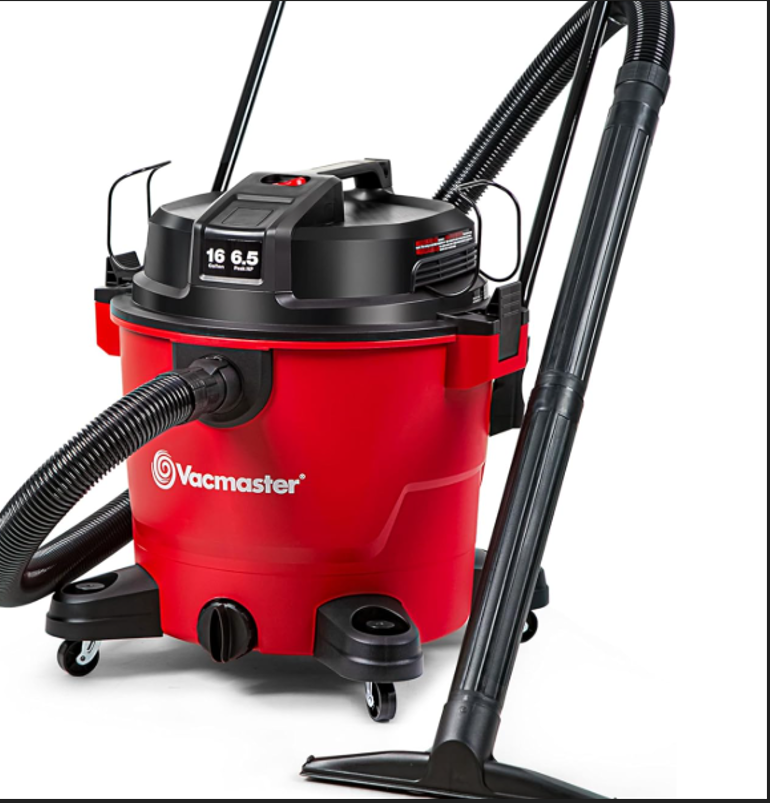
Wet and dry vacuum cleaners are among the most versatile types available. Unlike standard vacuums, which are designed only for dry debris, these machines can handle both liquid spills and solid dirt. This makes them ideal for situations where traditional vacuums would struggle.

They are commonly used in workshops, garages, and industrial settings, but they are increasingly becoming popular in households as well. Spilled water, muddy footprints, or even accidental kitchen messes—these vacuums can handle it all.

Because of their heavy-duty design, they tend to be bulkier and noisier than regular vacuums. However, their ability to tackle a wide range of cleaning tasks makes them a valuable addition for homes that require more than just basic cleaning.

Comparison Table of Vacuum Cleaner Types

Comparison Table of Vacuum Cleaner Types

Choosing the right vacuum cleaner can feel overwhelming, especially with so many types available in the market. Each type is designed with specific features, strengths, and limitations, making it suitable for different cleaning needs and lifestyles. To simplify the decision-making process, it’s helpful to compare the most common types side by side. But beyond just a quick glance at a table, understanding what each category truly offers—and where it might fall short—can make a huge difference in your final choice.

Here’s a simple comparison to start with:

Type Best For Pros Cons
Upright Large carpets Powerful, efficient Bulky
Canister Versatile cleaning Flexible, strong suction Expensive
Stick Small homes Lightweight, cordless Limited battery
Handheld Quick cleanups Portable Low power
Robot Automation Hands-free Expensive
Wet & Dry Multi-purpose Versatile Heavy

Now, let’s dive deeper into what this table really means and how each type fits into real-life usage.

Understanding Upright Vacuum Cleaners

Upright vacuum cleaners are often considered the “classic” choice, especially in homes with large carpeted areas. Their biggest advantage lies in their powerful suction and deep-cleaning ability, which makes them highly effective at removing dirt embedded deep within carpet fibers. This is particularly useful if you have pets or high foot traffic in your home.

However, the same design that gives them power also makes them bulky and less flexible. Moving them around furniture or carrying them up and down stairs can be tiring. So while they excel in performance, they may not be the most convenient option for everyone. If your home layout is simple and carpet-heavy, they’re a strong contender—but for tight spaces, they can feel a bit cumbersome.

Exploring Canister Vacuum Cleaners

Canister vacuum cleaners are all about flexibility and versatility. Unlike upright models, they separate the motor and dust container from the cleaning head, connecting them with a hose. This allows for easier movement and better reach, especially in tricky areas like under furniture, stairs, and corners.

They are known for their strong suction power and adaptability, making them suitable for both carpets and hard floors. However, this flexibility often comes at a higher price point. Additionally, some users find the trailing canister slightly inconvenient to pull along. Still, if you’re looking for a vacuum that can handle multiple surfaces with ease, this type is hard to beat.

Why Stick Vacuums Are Gaining Popularity

Stick vacuum cleaners have surged in popularity, and it’s easy to see why. They are lightweight, compact, and often cordless, making them incredibly convenient for everyday use. If you live in a small apartment or simply want something for quick cleanups, stick vacuums are a fantastic option.

Their biggest strength is convenience—but that also comes with limitations. Most stick vacuums have smaller dustbins and limited battery life, which means they may not be suitable for deep cleaning large spaces. Think of them as your “grab-and-go” cleaning tool rather than your primary heavy-duty cleaner. For many modern households, though, that convenience is exactly what they need.

The Role of Handheld Vacuum Cleaners

Handheld vacuum cleaners are designed for speed, portability, and precision. They are perfect for small, targeted cleaning tasks like cleaning car interiors, sofas, or kitchen counters. Because they are compact and easy to carry, they can reach places that larger vacuums simply can’t.

However, their small size also means lower suction power and limited capacity. They are not meant to replace full-sized vacuum cleaners but rather to complement them. If you often deal with small messes or need something quick and easy, a handheld vacuum can be a very useful addition to your cleaning toolkit.

The Rise of Robotic Vacuum Cleaners

Robotic vacuum cleaners represent the future of home cleaning. These devices are designed for automation and convenience, allowing you to clean your home without any manual effort. With features like smart navigation, scheduling, and app control, they can operate almost independently.

Their biggest advantage is the hands-free experience. You can set them to clean while you’re at work or even sleeping. However, they do come with some trade-offs. They are generally more expensive and may not provide the same deep-cleaning performance as traditional vacuums. Still, for maintaining daily cleanliness, especially in busy households, they are incredibly effective.

Wet & Dry Vacuum Cleaners: The All-Rounders

Wet and dry vacuum cleaners are built for versatility. Unlike standard vacuums, they can handle both solid debris and liquid spills, making them ideal for situations where regular vacuums fall short. Whether it’s a spilled drink, muddy footprints, or workshop debris, these machines can handle it all.

The downside is that they are often heavier and bulkier, which can make them less convenient for everyday household cleaning. They are more commonly used in garages, workshops, or homes that require heavy-duty cleaning. However, for those who need a multi-purpose solution, they offer unmatched flexibility.

How to Use This Comparison Effectively

While the table provides a quick overview, the real value lies in understanding how these features align with your personal needs. For example:

  • If you prioritize deep cleaning and power, upright vacuums are a strong choice.
  • If you need flexibility and multi-surface cleaning, canister models are ideal.
  • If convenience and portability matter most, stick or handheld vacuums are the way to go.
  • If you want to automate your cleaning routine, robotic vacuums are worth considering.
  • If your cleaning needs go beyond dry debris, wet & dry vacuums are the best option.

Balancing Pros and Cons

Every vacuum type comes with its own set of advantages and disadvantages. The key is not to look for a “perfect” vacuum—because it doesn’t exist—but to find one that best fits your lifestyle. For instance, a powerful upright vacuum might be perfect for a large home with carpets, but it could feel like overkill in a small apartment. Similarly, a robotic vacuum might be convenient, but it may not replace the need for occasional deep cleaning.

Latest Trends in Vacuum Cleaner Technology (2026)

Latest Trends in Vaccum Cleaner

Smart and AI-Powered Vacuums

Technology is rapidly transforming vacuum cleaners from simple cleaning tools into intelligent, automated devices that almost feel like part of your smart home ecosystem. Modern vacuum cleaners, especially robotic ones, are now equipped with advanced artificial intelligence (AI), sensors, and mapping technologies that allow them to clean more efficiently than ever before. Instead of moving randomly across the floor like earlier models, today’s smart vacuums can create detailed maps of your home layout, identify high-traffic areas, and plan optimized cleaning routes.

These devices use technologies such as LiDAR (Light Detection and Ranging) and camera-based navigation systems to detect obstacles, avoid collisions, and even recognize different types of surfaces. For example, a smart vacuum can automatically increase suction power when it detects a carpet and reduce it when cleaning hard floors. Some models can even remember multiple floor plans, making them ideal for multi-story homes.

Another exciting feature is voice control integration. Many smart vacuums can connect to voice assistants like Alexa or Google Assistant, allowing you to start, stop, or schedule cleaning sessions using simple voice commands. Imagine sitting on your couch and just saying, “Clean the living room,” and your vacuum gets to work instantly—it’s convenience at a whole new level.

In addition, smartphone apps have made these devices even more user-friendly. You can monitor cleaning progress in real-time, set no-go zones, schedule cleaning times, and even receive maintenance alerts. Some high-end models also include self-emptying dustbins, which means you might not have to manually empty the vacuum for weeks.

This shift toward automation and intelligence reflects a broader trend in home technology—people want devices that not only perform tasks but also adapt to their lifestyle. Smart vacuums are no longer just cleaning tools; they are becoming personalized cleaning assistants.

Cordless and Battery Innovations

Cordless vacuum cleaners have seen a massive surge in popularity, and it’s easy to understand why. The idea of cleaning your home without being restricted by power cords is incredibly appealing. No more unplugging and re-plugging as you move from room to room, no more tangled wires, and no more limitations on where you can clean.

Recent advancements in battery technology, particularly lithium-ion batteries, have significantly improved the performance of cordless vacuums. Earlier models often struggled with short battery life and weak suction, but modern versions can now run for 30 to 60 minutes or more on a single charge, depending on the model and usage. This makes them suitable even for cleaning medium to large homes.

Another important improvement is in fast-charging capabilities. Some vacuums can recharge in just a few hours, ensuring they’re ready whenever you need them. Additionally, many models offer removable batteries, allowing you to swap in a spare battery for extended cleaning sessions.

Cordless vacuums have also become more powerful, narrowing the performance gap between them and traditional corded models. Advanced motor technology and improved airflow design mean that you no longer have to sacrifice cleaning efficiency for convenience. In fact, some premium cordless vacuums now rival or even outperform their corded counterparts in certain scenarios.

Beyond performance, cordless designs also enhance portability and storage. Their lightweight structure makes them easy to carry around the house, clean stairs, or even reach high areas like ceilings and curtains. Many models come with wall-mounted charging docks, keeping them neatly stored and always ready to use.

Overall, cordless and battery innovations are redefining what people expect from a vacuum cleaner—freedom, flexibility, and efficiency all in one package.

How to Choose the Best Vacuum Cleaner

How to Choose the Best Vacuum Cleaner

Based on Floor Type

Choosing the right vacuum cleaner starts with understanding your floor type, because not all vacuums are designed to handle every surface equally well. If your home has a lot of carpets or rugs, you’ll need a vacuum with strong suction power and a motorized brush roll that can dig deep into fibers to remove embedded dirt and pet hair. Without this feature, dirt can remain trapped beneath the surface, making your carpets look clean but still harboring allergens.

On the other hand, if your home features hardwood, tile, or laminate flooring, you’ll want a vacuum that offers a gentler cleaning approach. Strong suction without proper control can sometimes scatter debris instead of picking it up, or even scratch delicate surfaces. Many modern vacuums come with adjustable suction settings or specialized floor heads designed specifically for hard floors.

If you have a mix of flooring types—which is quite common—look for a versatile vacuum that can easily switch between modes. This ensures that you get effective cleaning across all surfaces without needing multiple devices.

Based on Home Size

The size of your home plays a crucial role in determining the type of vacuum cleaner you should choose. For small apartments or compact living spaces, a lightweight and portable option like a stick or handheld vacuum is often sufficient. These models are easy to store and perfect for quick, everyday cleaning tasks.

However, if you live in a larger home, you’ll need something more powerful and capable of covering a bigger area without interruptions. Corded vacuums with long power cords or cordless models with extended battery life are better suited for such environments. Otherwise, you may find yourself constantly stopping to recharge or switch outlets, which can quickly become frustrating.

For multi-story homes, consider a vacuum that is easy to carry between floors or even a robotic vacuum that can handle routine cleaning automatically. The key is to match the vacuum’s capacity and runtime with the size of your living space to ensure a smooth and efficient cleaning experience.

Based on Budget

Budget is always an important factor when making any purchase, and vacuum cleaners are no exception. They are available in a wide price range—from affordable basic models to high-end machines packed with advanced features. The challenge is finding the right balance between cost and functionality.

If you’re on a tight budget, you can still find reliable vacuum cleaners that perform well for basic cleaning tasks. However, they may lack features like advanced filtration, smart controls, or long battery life. Mid-range models often offer the best value for money, combining decent performance with useful features.

Premium vacuum cleaners, while more expensive, come with cutting-edge technology such as AI navigation, self-emptying systems, and superior filtration. These are ideal if you’re looking for convenience, durability, and top-tier performance.

Instead of focusing solely on price, think about your long-term needs. Sometimes investing a bit more upfront can save you money in the long run by providing better performance and durability.

Based on Special Needs (Pets, Allergies)

If you have pets, your cleaning needs are likely very different from someone without them. Pet hair can be stubborn and tends to cling to carpets, furniture, and even clothing. In this case, you should look for a vacuum specifically designed for pet owners. These models usually come with powerful suction, specialized brush rolls, and attachments that make it easier to remove hair and dander.

For households with allergy sufferers, the focus should be on air quality. Vacuum cleaners equipped with HEPA filters are highly recommended because they can trap tiny particles like dust mites, pollen, and pet dander. This prevents allergens from being released back into the air, creating a cleaner and healthier indoor environment.

Some advanced models also feature sealed systems, ensuring that all captured particles remain inside the vacuum. This is especially important because even a small amount of escaping dust can trigger allergic reactions.

Ultimately, choosing a vacuum cleaner based on your specific needs ensures that you’re not just cleaning your home—but also improving your overall quality of life.

Important Features to Consider Before Buying

Suction Power

When it comes to vacuum cleaners, suction power is often the first thing people look at—and for good reason. It plays a major role in determining how effectively a vacuum can pick up dirt, dust, and debris from different surfaces. Strong suction ensures that even deeply embedded particles in carpets and upholstery are removed, rather than just the visible surface dirt.

However, it’s important to understand that suction power isn’t just about high wattage. Many people assume that a higher watt rating automatically means better performance, but that’s not always true. What really matters is how efficiently the vacuum converts that power into airflow. A well-designed vacuum with moderate power can sometimes outperform a poorly designed high-watt model.

You should also consider adjustable suction settings. These allow you to switch between different levels depending on the surface you’re cleaning. For example, high suction is ideal for carpets, while lower suction works better for delicate surfaces like curtains or hardwood floors. Having this flexibility not only improves cleaning efficiency but also protects your furniture and flooring from potential damage.

Filtration System

A vacuum cleaner doesn’t just remove dirt from your floors—it also plays a significant role in maintaining the quality of the air inside your home. That’s why the filtration system is one of the most critical features to consider before making a purchase.

Modern vacuum cleaners often come with multi-stage filtration systems that capture particles of various sizes. The most effective among them are HEPA (High-Efficiency Particulate Air) filters, which are capable of trapping extremely fine particles such as dust mites, pollen, and pet dander. This makes them especially beneficial for households with allergy sufferers or individuals with respiratory issues.

Without a proper filtration system, a vacuum cleaner can actually release fine dust back into the air, which defeats the purpose of cleaning. This is particularly noticeable in cheaper models where the sealing is not tight enough. A fully sealed system ensures that all the dirt collected stays inside the vacuum and doesn’t escape back into your living space.

In short, investing in a vacuum cleaner with a high-quality filtration system isn’t just about cleanliness—it’s about creating a healthier and safer home environment.

Noise Level and Energy Efficiency

Let’s face it—no one enjoys the loud, disruptive noise of a vacuum cleaner, especially if you’re cleaning early in the morning or late at night. That’s why noise level is an important factor to consider. Designers create modern vacuum cleaners to operate more quietly without compromising performance, making them far more convenient for everyday use.

Quieter models are particularly useful for families with young children, pets, or shared living spaces where excessive noise can be a disturbance. Some premium vacuums even come with noise-reduction technology, allowing you to clean comfortably without feeling like you’re operating heavy machinery.

Alongside noise, energy efficiency is another key consideration. Energy-efficient models consume less electricity while still delivering strong performance, helping you save on utility bills in the long run. Manufacturers design many modern vacuums with eco-friendly features that balance power and energy consumption effectively.

Choosing a vacuum cleaner that is both quiet and energy-efficient ensures a more comfortable and sustainable cleaning experience, making it easier to incorporate regular cleaning into your routine.

Common Mistakes to Avoid When Buying a Vacuum Cleaner

Common Mistakes to Avoid When Buying a Vacuum Cleaner

Buying a vacuum cleaner might seem straightforward, but many people end up making costly mistakes simply because they don’t consider all the important factors. One of the most common errors is focusing only on the price or brand name. While it’s natural to look for a good deal or trust a well-known brand, these factors alone don’t guarantee that the vacuum will meet your specific needs.

Another frequent mistake is ignoring suction power and filtration quality. A vacuum might look stylish or come with fancy features, but if it lacks strong suction or an effective filter, it won’t deliver the performance you expect. This can lead to frustration and the need to replace the vacuum sooner than anticipated.

Many buyers also overlook the importance of matching the vacuum to their home environment. For example, purchasing a heavy upright vacuum for a small apartment can be impractical, just as choosing a lightweight stick vacuum for a large carpeted home may not provide sufficient cleaning power. It’s essential to consider factors like floor type, home size, and cleaning frequency before making a decision.

Another mistake is not paying attention to maintenance requirements. Some vacuums require frequent filter cleaning or bag replacements, which can add to the overall cost and effort. Ignoring these aspects can lead to inconvenience and reduced performance over time.

Lastly, people often underestimate the value of attachments and accessories. These tools can significantly enhance the versatility of your vacuum, allowing you to clean furniture, corners, and hard-to-reach areas more effectively. Skipping this consideration might limit the usefulness of your purchase.

Avoiding these common mistakes can help you make a smarter, more informed decision and ensure that your vacuum cleaner truly meets your expectations.

Maintenance Tips for Long-Lasting Performance

A vacuum cleaner is an investment, and like any other appliance, it requires proper care to function efficiently over time. Regular maintenance not only improves performance but also extends the lifespan of your machine, saving you money in the long run.

One of the simplest yet most important tasks is emptying the dustbin or replacing the bag regularly. When the dust container becomes full, it can restrict airflow and reduce suction power. Keeping it clean ensures that your vacuum operates at its best.

Equally important is cleaning or replacing the filters. Filters can become clogged with dust and debris over time, which not only reduces efficiency but can also affect air quality. Depending on the type of filter, you may need to wash or replace it periodically. Always follow the manufacturer’s guidelines for proper maintenance.

Another key aspect is checking for blockages in the hose, nozzle, or brush roll. Hair, threads, and debris can get tangled in these areas, hindering performance. Regularly inspecting and cleaning these parts helps maintain strong suction and prevents unnecessary strain on the motor.

You should also pay attention to the brush roll or beater bar, especially if you have carpets or pets. Removing tangled hair and debris ensures that the brush can rotate freely and effectively lift dirt from surfaces.

Finally, store your vacuum cleaner properly in a clean and dry place. Avoid exposing it to moisture or extreme temperatures, as these can damage internal components. By taking a few simple steps to maintain your vacuum, you can keep it running smoothly for years and ensure consistent cleaning performance.

Conclusion

Vacuum cleaners have completely transformed the way we approach cleaning in our homes. Modern technology now allows people to accomplish tasks that once required hours of manual effort quickly and efficiently. From powerful upright models to smart robotic cleaners, the variety of options available today ensures that there is a perfect solution for every household.

Choosing the right vacuum cleaner, however, can feel overwhelming given the wide range of types, features, and price points. The key is to focus on your specific needs—whether it’s the type of flooring you have, the size of your home, or any special requirements like pet hair removal or allergy control. By understanding these factors, you can narrow down your options and find a vacuum that truly fits your lifestyle.

It’s also important to remember that a vacuum cleaner is more than just a cleaning tool—it’s an investment in your home’s cleanliness and your family’s health. A good vacuum not only removes visible dirt but also improves indoor air quality by capturing harmful particles and allergens.

With the right choice and proper maintenance, a vacuum cleaner can serve you reliably for years, making your daily life easier and more comfortable. At the end of the day, it’s not just about having a clean home—it’s about creating a healthier, more enjoyable living space for you and your loved ones.

Smart Home Clean Robot: The Ultimate Guide to the Best Vacuum Cleaner for Home (2026 Edition)

Smart Home Clean Robot: The Ultimate Guide to the Best Vacuum Cleaner for Home (2026 Edition)


🔷 Article Outline (Tree Structure)

  • H1: Smart Home Clean Robot – Complete 2026 Guide
    • H2: What Is a Smart Home Clean Robot?
      • H3: Evolution of Robot Vacuum Cleaners
      • H3: How Smart Robot Vacuums Work
    • H2: Why Smart Robot Vacuums Are Trending in 2026
      • H3: Market Growth and Statistics
      • H3: Key Innovations in 2026
    • H2: Types of Vacuum Cleaners for Home
      • H3: Robot Vacuum Cleaners
      • H3: Cordless Stick Vacuum Cleaners
      • H3: Handheld Vacuum Cleaners
    • H2: Best Smart Robot Vacuum Cleaner 2026
      • H3: Premium Models
      • H3: Mid-Range Options
      • H3: Budget-Friendly Options Under $100
    • H2: Comparison Table – Top Vacuum Cleaners
    • H2: Features to Look for in a Smart Home Clean Robot
      • H3: Suction Power
      • H3: Navigation Technology
      • H3: Battery Life
      • H3: Smart Connectivity
    • H2: Best Vacuum Cleaner for Different Needs
      • H3: Pet-Friendly Homes
      • H3: Hardwood Floors
      • H3: Carpets & Rugs
    • H2: Cheap Vacuum Cleaner for Home (Best Picks)
    • H2: Lightweight Vacuum Cleaner for Home
    • H2: Buying Guide – How to Choose the Right Vacuum
      • H3: Budget vs Features
      • H3: Maintenance Cost
    • H2: Pros and Cons of Smart Robot Vacuums
    • H2: Maintenance Tips for Long-Term Performance
    • H2: Conclusion
    • H2: FAQs

What Is a Smart Home Clean Robot?

A smart home clean robot, often referred to as a robot vacuum cleaner, is no longer just a luxury gadget—it has become a daily necessity in modern households. Imagine a tiny assistant quietly moving around your home, picking up dust, pet hair, and debris while you relax, work, or even sleep. That’s exactly what these machines are designed to do, and in 2026, they are smarter than ever.

Unlike traditional vacuum cleaners, these robots use advanced technologies like AI-powered navigation, LiDAR sensors, and real-time mapping to clean efficiently. Instead of randomly bumping into walls like older models, modern robots can map your home layout, avoid obstacles, and even recognize objects like cables or pet bowls. According to recent data, the global robot vacuum market is expected to reach $14.8 billion in 2026, showing just how rapidly this technology is growing. (Onoff)

The biggest advantage? Automation. You can schedule cleaning sessions, control the device through your smartphone, or even use voice assistants like Alexa or Google Assistant. It’s like having a cleaning staff that never complains, never takes a day off, and works with precision.


Evolution of Robot Vacuum Cleaners

Robot vacuums have come a long way since their early days in the early 2000s. Back then, they were clumsy, inefficient, and often missed large areas. Today, they’re equipped with machine learning algorithms that improve cleaning patterns over time.

Modern devices now feature:

  • Self-emptying dustbins
  • Mop and vacuum combo systems
  • AI obstacle detection
  • Multi-floor mapping

In fact, premium models in 2026 can detect objects as small as 1 cm and avoid them with high precision. (Vacuum Wars) This evolution has transformed them from simple gadgets into powerful cleaning machines.


How Smart Robot Vacuums Work

Think of a robot vacuum like a self-driving car—but for your floor. It uses sensors and cameras to navigate your home, identify dirty areas, and clean them efficiently.

Here’s how it works in simple terms:

  • Mapping: The robot scans your home layout using LiDAR or cameras
  • Planning: It calculates the most efficient cleaning path
  • Cleaning: Brushes and suction remove dirt and debris
  • Docking: It returns to its charging station automatically

Some advanced models even wash their mop pads, dry them, and refill water tanks automatically, making them almost completely hands-free.


Why Smart Robot Vacuums Are Trending in 2026

Market Growth and Statistics

The demand for smart cleaning devices has exploded, and 2026 is a milestone year. The robot vacuum industry has crossed billions in revenue, driven by increasing urbanization, busy lifestyles, and smart home adoption.

What’s fascinating is how budget models are catching up with premium features. Even affordable devices now include mapping, app control, and decent suction power—features that were once exclusive to high-end products.


Key Innovations in 2026

This year has introduced some groundbreaking improvements:

  • AI Object Recognition: Robots can identify cables, shoes, and even pets
  • Self-Maintenance Systems: Automatic dust disposal and mop cleaning
  • Improved Battery Life: Up to 250m² cleaning per charge (Onoff)
  • Ultra-High Suction Power: Up to 35,000 Pa in flagship models (Vacuum Wars)

These innovations make robot vacuums more reliable and efficient than ever before.


Types of Vacuum Cleaners for Home

Robot Vacuum Cleaners

Robot vacuums are perfect for people who want hands-free cleaning. They are ideal for daily maintenance and work best on hardwood floors, tiles, and low-pile carpets.


Cordless Stick Vacuum Cleaners

Cordless vacuums like the Dyson V11 cordless stick vacuum offer powerful suction and flexibility. They’re great for quick cleanups and reaching tight spaces.


Handheld Vacuum Cleaners

These are compact and perfect for pet hair, sofas, and car interiors. If you have pets, a handheld vacuum is a must-have.


Best Smart Robot Vacuum Cleaner 2026

Premium Models

High-end models like the Dreame X60 Max Ultra Complete dominate the market with cutting-edge features. It offers:

  • 35,000 Pa suction power
  • Advanced AI navigation
  • Self-cleaning dock

It even achieved a 100% pet hair pickup score in testing. (Vacuum Wars)


Mid-Range Options

Mid-range vacuums balance performance and price. Models like Roborock and Ecovacs offer excellent cleaning with smart features without breaking the bank.


Budget-Friendly Options Under $100

If you’re on a tight budget, there are still solid options available. While they may lack advanced AI features, they provide reliable cleaning for small homes.


Comparison Table – Top Vacuum Cleaners

Model Type Suction Power Best For Price Range
Dreame X60 Max Ultra Robot 35,000 Pa Premium homes $$$$
Roborock Q Series Robot High Smart homes $$$
Dyson V11 Stick Powerful Deep cleaning $$$
Budget Robot Vac Robot متوسط Small homes $

Features to Look for in a Smart Home Clean Robot

Suction Power

Suction determines how well the vacuum removes dirt. For carpets and pet hair, higher suction is essential.


Navigation Technology

Modern vacuums use LiDAR and AI mapping to clean efficiently without missing spots.


Battery Life

Look for models that can clean your entire home in one charge.


Smart Connectivity

App control, voice commands, and scheduling are essential features for convenience.


Best Vacuum Cleaner for Different Needs

Pet-Friendly Homes

If you have pets, choose a vacuum with anti-tangle brushes and strong suction.


Hardwood Floors

For wood floors, a soft brush and gentle suction work best.


Carpets & Rugs

Carpets require powerful suction and deep-cleaning brushes.


Cheap Vacuum Cleaner for Home (Best Picks)

Budget-friendly vacuums are perfect for small apartments or light cleaning tasks. Many affordable options now offer surprisingly good performance.


Lightweight Vacuum Cleaner for Home

Lightweight vacuums are ideal for quick cleaning and portability. They’re especially useful for elderly users or small spaces.


Buying Guide – How to Choose the Right Vacuum

Budget vs Features

Always balance your budget with essential features. Don’t overpay for features you won’t use.


Maintenance Cost

Consider replacement parts, filters, and battery life before buying.


Pros and Cons of Smart Robot Vacuums

Pros:

  • Hands-free cleaning
  • Time-saving
  • Smart automation

Cons:

  • Expensive premium models
  • Limited deep-cleaning ability
  • Requires maintenance

Maintenance Tips for Long-Term Performance

To keep your vacuum running smoothly:

  • Clean brushes regularly
  • Empty dustbin frequently
  • Replace filters when needed

Conclusion

The smart home clean robot has completely changed the way we clean our homes. From powerful AI navigation to self-cleaning systems, these devices are smarter, faster, and more efficient than ever. Whether you’re looking for the best vacuum cleaner for home, a cheap vacuum cleaner under $100, or a lightweight option, there’s something available for everyone in 2026.

Choosing the right vacuum is like choosing a reliable partner—it should match your lifestyle, needs, and budget. With the rapid advancements happening in this industry, investing in a smart robot vacuum is no longer a luxury—it’s a smart decision.


FAQs

1. What is the best smart robot vacuum cleaner in 2026?

The Dreame X60 Max Ultra Complete and Roborock models are among the top choices due to advanced AI and strong suction.

2. Are robot vacuums worth it?

Yes, they save time, automate cleaning, and are highly efficient for daily maintenance.

3. Can robot vacuums replace traditional vacuums?

Not entirely. They are great for maintenance but may not replace deep cleaning.

4. Which vacuum is best for pet hair?

Models with anti-tangle brushes and strong suction are best for pet hair.

5. What is the best cheap vacuum cleaner under $100?

Basic robot vacuums and handheld models are good budget-friendly options.


Best Wood Floor Vacuum: Ultimate Buying Guide & Reviews (2026 Edition)


Best Wood Floor Vacuum: Ultimate Buying Guide & Reviews (2026 Edition)


📌 Article Outline (Structured Tree)

  • H1: Best Wood Floor Vacuum (2026 Guide)
    • H2: Why Choosing the Right Vacuum for Wood Floors Matters
      • H3: Risks of Using the Wrong Vacuum
      • H3: Benefits of Hardwood-Friendly Vacuums
    • H2: Types of Vacuums for Wood Floors
      • H3: Cordless Stick Vacuums
      • H3: Robot Vacuums
      • H3: Upright & Canister Vacuums
    • H2: Key Features to Look For
      • H3: Suction Power vs Gentle Cleaning
      • H3: Brush Roll Technology
      • H3: Weight & Maneuverability
    • H2: Best Wood Floor Vacuum Reviews (2026)
      • H3: Shark Stratos Vacuum Cleaner
      • H3: Dyson V11 Cordless Stick Vacuum
      • H3: Roborock Robot Vacuum Cleaner
      • H3: Samsung Cyclone Force Robot Vacuum
    • H2: Best Cheap Vacuum Cleaner for Home Under $100
      • H3: Budget Picks That Actually Work
    • H2: Lightweight Vacuum Cleaner for Home
      • H3: Best Options for Easy Handling
    • H2: Cordless Vacuum for Pet Hair
      • H3: Why Pet Owners Need Specialized Vacuums
    • H2: Robot Vacuum Cleaner for Home
      • H3: Smart Cleaning Technology Explained
    • H2: Buying Guide
      • H3: How to Choose the Best Vacuum
      • H3: Common Mistakes to Avoid
    • H2: Maintenance Tips
    • H2: Conclusion
    • H2: FAQs

Why Choosing the Right Vacuum for Wood Floors Matters

Image

Image

Image

Image

When it comes to cleaning your home, not all vacuums are created equal—especially if you have hardwood floors. You might think any vacuum cleaner will do the job, but that’s where many homeowners go wrong. Hardwood floors are delicate compared to carpets, and using the wrong vacuum can actually do more harm than good. Imagine dragging a stiff brush roll across your polished floor—over time, it can leave scratches, dull finishes, and even permanent damage.

Choosing the best wood floor vacuum isn’t just about cleaning efficiency; it’s about protecting your investment. Hardwood floors can be expensive, and maintaining their shine requires tools designed specifically for them. A proper vacuum ensures that dust, pet hair, and debris are removed without damaging the surface.

Another important aspect is performance. Wood floors tend to show dust more clearly than carpets, so you need a vacuum that offers consistent suction and precise cleaning. High-quality vacuums also help improve indoor air quality by trapping fine dust particles instead of redistributing them.

So, if you’re serious about keeping your home clean and your floors looking brand new, investing in the right vacuum is not optional—it’s essential.


Risks of Using the Wrong Vacuum

Using a regular vacuum with aggressive brush rolls can scratch hardwood surfaces. Many traditional vacuums are designed for carpets and have rotating brushes that dig into fibers. On wood floors, these brushes can act like sandpaper.

Additionally, poor suction systems may leave debris behind, which can accumulate and cause long-term wear. Cheap vacuums without proper filtration can also blow dust back into the air, making your cleaning efforts almost pointless.


Benefits of Hardwood-Friendly Vacuums

Hardwood-specific vacuums come with soft rollers, rubber wheels, and adjustable suction settings. These features ensure effective cleaning without damaging your floors. Many also include HEPA filters, which are great for allergy sufferers.


Types of Vacuums for Wood Floors

Image

Image

Image

Image

Choosing the right type of vacuum can feel overwhelming because there are so many options available. Each type comes with its own strengths, and the best one for you depends on your lifestyle, home size, and cleaning habits.


Cordless Stick Vacuums

Cordless stick vacuums are incredibly popular in 2026, and for good reason. They are lightweight, easy to maneuver, and perfect for quick cleanups. If you live in a small apartment or just want something convenient, these are a great choice.

They usually come with rechargeable batteries and can easily reach tight corners. Many models are designed specifically for hardwood floors, featuring soft rollers that glide smoothly without causing damage.


Robot Vacuums

Robot vacuums are the future of home cleaning. These smart devices can clean your floors automatically while you relax or even when you’re not home. Modern robot vacuums come with sensors, mapping technology, and app controls.

They are especially useful for maintaining cleanliness on a daily basis. If you hate vacuuming, this might be your perfect solution.


Upright & Canister Vacuums

These are more traditional options and are known for their powerful suction. While they can be used on hardwood floors, you need to ensure they have adjustable settings and soft brush attachments.


Key Features to Look For

Suction Power vs Gentle Cleaning

You might assume that stronger suction is always better, but that’s not entirely true for hardwood floors. You need a balance between power and gentleness. Too much suction can scatter debris, while too little won’t clean effectively.


Brush Roll Technology

Look for vacuums with soft brush rolls or the ability to turn off the brush entirely. This is crucial for preventing scratches.


Weight & Maneuverability

A lightweight vacuum is easier to carry and use, especially for daily cleaning. If your vacuum feels like a workout machine, you probably won’t use it as often.


Best Wood Floor Vacuum Reviews (2026)

Image

Image

Image

Image

Shark Stratos Vacuum Cleaner

The Shark Stratos Vacuum Cleaner stands out as one of the top choices for hardwood floors. It features advanced suction technology combined with a dual brush system that is gentle yet effective. What makes it unique is its odor-neutralizing technology, which keeps your home smelling fresh while cleaning.


Dyson V11 Cordless Stick Vacuum

The Dyson V11 Cordless Stick Vacuum is known for its powerful performance and sleek design. It automatically adjusts suction based on floor type, making it ideal for homes with mixed flooring.


Roborock Robot Vacuum Cleaner

Roborock offers some of the smartest robot vacuums available today. With advanced mapping and strong suction, it ensures thorough cleaning without manual effort.


Samsung Cyclone Force Robot Vacuum

This vacuum uses Cyclone Force technology to maintain consistent suction and prevent clogging. It’s a reliable option for automated cleaning.


Best Cheap Vacuum Cleaner for Home Under $100

Finding a cheap vacuum cleaner for home under $100 doesn’t mean compromising on quality. Many budget-friendly options now offer decent suction and basic features suitable for hardwood floors.

Vacuum Type Price Range Best For Pros Cons
Stick Vacuum $50-$100 Small spaces Lightweight Lower suction
Handheld $30-$80 Quick cleaning Portable Limited coverage
Budget Upright $80-$100 Full home Affordable Bulky

Budget vacuums are ideal for students or small households, but they may lack advanced features.


Lightweight Vacuum Cleaner for Home

Lightweight vacuums are perfect if you want something easy to carry and store. These models are especially useful for elderly users or anyone who prefers hassle-free cleaning.

They often weigh less than 5 kg and still deliver solid performance. Many cordless models fall into this category, offering both convenience and efficiency.


Cordless Vacuum for Pet Hair

Image

Image

Image

Image

If you have pets, you already know how challenging it can be to keep your floors clean. Pet hair can stick to surfaces and spread quickly across your home.

A cordless stick vacuum for pets is designed to handle this issue efficiently. These vacuums come with specialized brushes and powerful suction to pick up even the finest hair.


Robot Vacuum Cleaner for Home

Robot vacuums are becoming smarter every year. They can map your home, avoid obstacles, and even empty themselves in some cases.

If you’re looking for convenience, a smart robot vacuum cleaner is a great investment. It keeps your floors clean with minimal effort.


Buying Guide: How to Choose the Best Vacuum

Choosing the best vacuum depends on your needs. Ask yourself:

  • Do you prefer manual or automated cleaning?
  • Do you have pets?
  • What is your budget?

Avoid common mistakes like buying a vacuum without checking compatibility with hardwood floors.


Maintenance Tips

To keep your vacuum performing well:

  • Clean filters regularly
  • Empty the dustbin frequently
  • Check brush rolls for debris

Regular maintenance extends the lifespan of your vacuum and ensures consistent performance.


Conclusion

Finding the best wood floor vacuum doesn’t have to be complicated. Whether you choose a cordless stick vacuum, a robot vacuum, or a budget-friendly option, the key is to match the features with your needs. Hardwood floors require gentle care, and the right vacuum can make all the difference in maintaining their beauty.


FAQs

1. What is the best vacuum for hardwood floors?

The best vacuum is one with soft rollers, adjustable suction, and strong filtration.

2. Are robot vacuums safe for wood floors?

Yes, most modern robot vacuums are designed specifically for hard surfaces.

3. Can I use a carpet vacuum on hardwood floors?

Only if it has a brush roll shut-off feature.

4. What is the best cheap vacuum under $100?

Stick vacuums are usually the best budget-friendly option.

5. How often should I vacuum hardwood floors?

At least 2–3 times a week for optimal cleanliness.


Best Vacuum Cleaner for Home – Top 10 Picks for Easy Cleaning (2026 Guide)


Best Vacuum Cleaner for Home (2026): Ultimate Buying Guide, Reviews & Budget Picks


Article Outline (Structured Hierarchy)

  • H1: Best Vacuum Cleaner for Home (2026)
    • H2: Why Choosing the Right Vacuum Cleaner Matters
      • H3: Cleaning Efficiency and Time Saving
      • H3: Health Benefits and Air Quality
    • H2: Types of Vacuum Cleaners
      • H3: Upright Vacuum Cleaners
      • H3: Canister Vacuum Cleaners
      • H3: Cordless Stick Vacuums
      • H3: Robot Vacuum Cleaners
    • H2: Best Vacuum Cleaner for Home Reviews (2026)
      • H3: Best Overall Vacuum
      • H3: Best Cheap Vacuum Under $100
      • H3: Best Lightweight Vacuum
      • H3: Best Robot Vacuum
    • H2: Comparison Table
    • H2: Best Vacuum Cleaner Under $100
      • H3: What to Expect in Budget Models
    • H2: Lightweight Vacuum Cleaner Guide
    • H2: Robot Vacuum Cleaner for Smart Homes
      • H3: Smart Features
      • H3: Pet-Friendly Cleaning
    • H2: Cordless Stick Vacuum for Pets
    • H2: Best Vacuum for Different Floor Types
      • H3: Hardwood Floors
      • H3: Carpet & Rugs
    • H2: Vacuum Cleaner Buying Guide
      • H3: Key Features
        • H4: Suction Power
        • H4: Filtration
        • H4: Battery Life
    • H2: Maintenance Tips
    • H2: Conclusion
    • H2: FAQs

Best Vacuum Cleaner for Home (2026)

Why Choosing the Right Vacuum Cleaner Matters

Cleaning Efficiency and Time Saving

Let’s be honest—cleaning your home isn’t exactly the most exciting task in the world. But what if the process could be faster, easier, and even a little satisfying? That’s exactly what happens when you choose the best vacuum cleaner for home. The right machine doesn’t just clean; it transforms your entire cleaning routine into something smooth and efficient.

Think about this: using a low-quality vacuum is like trying to cut vegetables with a dull knife. You spend more time, use more energy, and still don’t get the results you want. On the other hand, a powerful vacuum cleaner glides over surfaces, pulling in dust, debris, and pet hair effortlessly. Modern vacuums are designed with advanced motors and suction systems that can clean deep into carpets and even remove invisible dirt particles from hard floors.

Time-saving is another huge benefit. In today’s fast-paced lifestyle, nobody wants to spend hours cleaning. High-performance vacuums can reduce cleaning time by up to 40–50%, especially if you’re using models with wide cleaning heads and strong airflow technology. Whether you’re dealing with daily dust or a weekend deep-clean session, the right vacuum makes a noticeable difference.

Health Benefits and Air Quality

Here’s something that might surprise you—your vacuum cleaner plays a big role in your health. Indoor air can be filled with allergens like dust mites, pollen, pet dander, and even microscopic bacteria. Without proper cleaning, these particles keep circulating in your home, affecting your breathing and overall comfort.

A high-quality vacuum with a HEPA filtration system can capture up to 99.97% of airborne particles. This means cleaner air, fewer allergies, and a healthier living environment. For families with children or pets, this becomes even more important.

Imagine your vacuum acting like a silent guardian, protecting your home from harmful particles. That’s the level of impact a good vacuum cleaner can have. It’s not just about cleaning floors—it’s about creating a safe and comfortable space for you and your loved ones.


Types of Vacuum Cleaners

Upright Vacuum Cleaners

Upright vacuum cleaners are the classic choice that many households still rely on today. These machines are known for their powerful suction and ability to handle large carpeted areas with ease. If your home has wall-to-wall carpeting, an upright vacuum might be your best friend.

They typically come with motorized brush rolls that dig deep into carpet fibers, removing dirt that other vacuums might miss. Another advantage is their large dust capacity, which means fewer trips to empty the bin. However, they can be slightly heavier compared to other types, which might be a concern for some users.

Canister Vacuum Cleaners

Canister vacuums offer a different kind of flexibility. Instead of a single unit, they have a separate motor and a long hose, making them easier to maneuver around furniture and tight spaces. If you have a mix of hardwood floors, tiles, and carpets, this type can be incredibly versatile.

They are also quieter than upright vacuums, which is a bonus if you prefer a more peaceful cleaning experience. The downside? They can be a bit bulky to store, especially in smaller homes.

Cordless Stick Vacuums

Cordless stick vacuums are the rising stars of the cleaning world. Lightweight, sleek, and easy to use, these vacuums are perfect for quick cleanups and daily maintenance. You don’t have to deal with tangled cords or limited reach, which makes them incredibly convenient.

Battery life has improved significantly in recent years, with many models offering up to 60 minutes of runtime. This makes them suitable for small to medium-sized homes. If you value convenience over heavy-duty power, a cordless stick vacuum is a fantastic option.

Robot Vacuum Cleaners

Robot vacuums are where technology meets convenience. These smart devices can clean your home automatically, navigating around obstacles and even mapping your space for efficient cleaning. Imagine coming home to clean floors without lifting a finger—that’s the magic of robot vacuums.

They are especially useful for busy individuals or those who want to maintain cleanliness with minimal effort. While they may not replace deep cleaning entirely, they are excellent for daily upkeep.


Best Vacuum Cleaner for Home Reviews (2026)

Best Overall Vacuum

The Dyson V11 continues to dominate as one of the best vacuum cleaners for home 2026. It combines powerful suction with intelligent features that automatically adjust based on the floor type. Whether you’re cleaning carpets, hardwood floors, or upholstery, it delivers consistent performance.

Its LCD screen provides real-time updates on battery life and performance, which adds a modern touch to the cleaning experience. While it’s on the expensive side, the performance justifies the price for many users.

Best Cheap Vacuum Cleaner Under $100

Not everyone wants to spend hundreds of dollars on a vacuum cleaner—and that’s perfectly fine. There are plenty of cheap vacuum cleaners for home under $100 that offer solid performance for everyday cleaning.

These models are ideal for small apartments, dorm rooms, or as a secondary vacuum. While they may lack advanced features, they are lightweight, easy to use, and get the job done efficiently.

Best Lightweight Vacuum Cleaner

If you hate dragging heavy machines around, a lightweight vacuum is the way to go. These vacuums are designed for ease of use, making them perfect for quick cleaning sessions.

Despite their small size, many lightweight vacuums offer impressive suction power. They are especially useful for cleaning stairs, furniture, and hard-to-reach areas.

Best Robot Vacuum Cleaner

Robot vacuums like Roborock and Samsung Cyclone Force are leading the market in smart cleaning technology. They come with features like app control, voice commands, and advanced navigation systems.

These vacuums are perfect for maintaining cleanliness on a daily basis, especially in homes with pets or children.


Comparison Table

Model Type Weight Price Best For
Dyson V11 Cordless Light High Overall
Shark Stratos Upright Medium Mid Deep Cleaning
Roborock Robot Very Light High Automation
Budget Stick Stick Light Low Small Homes

Best Vacuum Cleaner Under $100

What to Expect in Budget Models

When you’re shopping for a cheap vacuum cleaner for home under $100, it’s important to understand what you’re getting. These vacuums are designed for basic cleaning tasks, which means they might not have the same power or features as premium models.

However, they still offer great value for money. Many budget vacuums come with washable filters, compact designs, and decent suction power. They are perfect for light cleaning, especially in smaller spaces.

The key is to choose a model that balances performance and durability. Look for customer reviews and ratings to ensure you’re making a smart choice.


Lightweight Vacuum Cleaner Guide

Lightweight vacuums are becoming increasingly popular, and for good reason. They are easy to carry, simple to store, and perfect for everyday use. If you live in a multi-story home, a lightweight vacuum can save you a lot of effort.

These vacuums are also ideal for older adults or anyone who prefers a hassle-free cleaning experience. Despite their compact size, many models deliver powerful performance, making them a great all-around choice.


Robot Vacuum Cleaner for Smart Homes

Smart Features

Modern robot vacuums come packed with features that make cleaning almost effortless. From app control to voice commands, these devices integrate seamlessly with smart home systems.

Pet-Friendly Cleaning

Pet owners will appreciate the ability of robot vacuums to handle pet hair. With daily cleaning cycles, they help maintain a clean and hygienic home environment.


Cordless Stick Vacuum for Pets

Pet hair can be stubborn and difficult to remove, but a cordless stick vacuum for pets makes the job much easier. These vacuums come with specialized attachments designed to lift hair from carpets and furniture.

They are also portable, allowing you to clean different areas of your home with ease.


Best Vacuum for Different Floor Types

Hardwood Floors

For hardwood floors, you need a vacuum that is gentle yet effective. Look for models with soft brushes and adjustable suction settings.

Carpet & Rugs

Carpets require strong suction and rotating brushes to remove deep-seated dirt. Upright vacuums are often the best choice for this.


Vacuum Cleaner Buying Guide

Key Features

Suction Power

Suction power is one of the most important factors to consider. It determines how effectively the vacuum can remove dirt and debris.

Filtration

A good filtration system ensures that dust and allergens are trapped inside the vacuum.

Battery Life

For cordless vacuums, battery life is crucial. Look for models that offer at least 30–60 minutes of runtime.


Maintenance Tips

Regular maintenance is essential for keeping your vacuum in good condition. Clean the filters, empty the dustbin, and check for blockages to ensure optimal performance.


Conclusion

Choosing the best vacuum cleaner for home in 2026 is all about understanding your needs. Whether you prefer a powerful upright vacuum, a lightweight stick model, or a smart robot vacuum, there’s something for everyone.

The right vacuum can make cleaning faster, easier, and more efficient, helping you maintain a clean and healthy home environment.


FAQs

1. What is the best vacuum cleaner for home in 2026?

Dyson V11 is one of the top choices due to its powerful performance and smart features.

2. Are budget vacuum cleaners worth it?

Yes, they are suitable for basic cleaning and small spaces.

3. Which vacuum is best for pet hair?

Cordless stick vacuums and robot vacuums designed for pets are ideal.

4. How long should a vacuum cleaner last?

A good vacuum cleaner can last 5–8 years with proper maintenance.

5. Is a robot vacuum enough for cleaning?

Robot vacuums are great for daily maintenance but may not replace deep cleaning entirely.