VacuumTime

How to Remove Hair from a Vacuum Roller (2026 Guide): Easy Steps for Better Performance
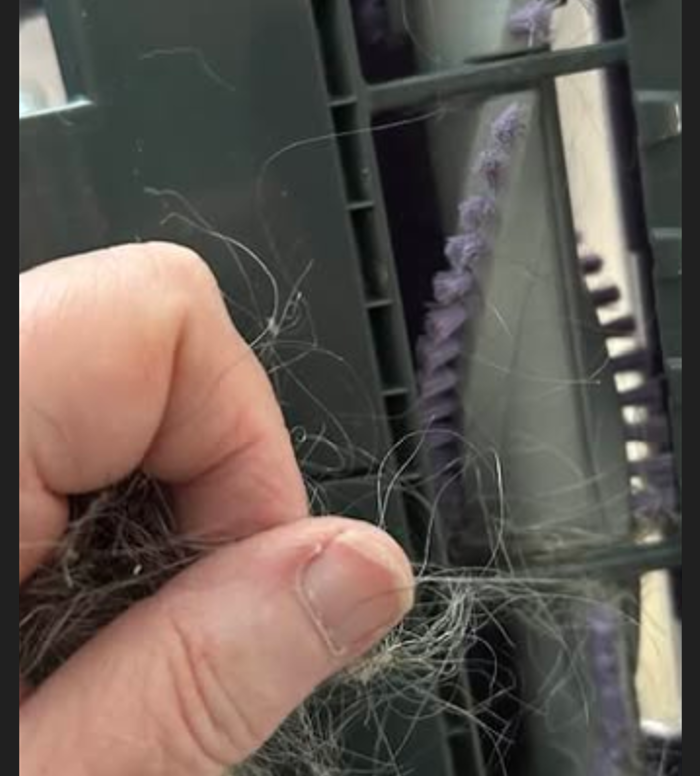
Hair Remove of Vacuum Roller

How to Remove Hair from a Vacuum Roller A vacuum cleaner is an important tool for cleaning your home.. Even the best vacuum cleaner can lose its power to suck up dirt when hair gets wrapped around the brush roller. If you have pets or long hair or both the hair that gets tangled around the roller can make your vacuum cleaner work well and put more strain on the motor. The good thing is that it is easy to remove hair from a vacuum roller. With a simple tools and a little bit of time you can make your vacuum cleaner work well again. In this guide you will learn how to remove hair from a vacuum roller. You will also find out about the tools to use for cleaning and get some helpful tips on how to take care of your vacuum cleaner. Why You Should Clean Your Vacuum Roller Regularly When hair gets wrapped around the vacuum brush roller it creates friction. Stops the bristles from spinning freely. This means your vacuum cleaner is not as good at picking up dirt, dust and pet hair. Cleaning your vacuum roller regularly has benefits: * It makes your vacuum cleaner suck up dirt better * It makes your floors and carpets cleaner * It helps your vacuum cleaner longer * It stops the motor from getting too hot * It reduces the wear and tear on the motor * It keeps your home cleaner Cleaning the roller every weeks can save you money on expensive repairs later. Signs Your Vacuum Roller Needs Cleaning Your vacuum cleaner may be telling you that it needs to be cleaned. Look out for these signs: * The suction power is not as strong * The brush roller stops spinning * Hair is wrapped tightly around the roller * You can smell something burning when you are vacuuming * The vacuum cleaner is making noises * There is dirt left behind on your carpets If you notice any of these problems check the brush roller away. Tools You Need You possibly already have most of the tools you need. Basic tools are: * Scissors * Seam ripper * Screwdriver * Microfiber cloth * Cleaning brush * Tweezers There are also some tools you can buy on Amazon that can help you clean your vacuum roller. How to Remove Hair from a Vacuum Roller Step 1: Unplug the Vacuum unplug the vacuum cleaner before you start cleaning it. Step 2: Remove the Brush Roller Turn the vacuum cleaner down and take off the bottom plate. Then you can lift out the brush roller. If you are not sure how to do this check the manual that came with your vacuum cleaner. Step 3: Cut the Hair Carefully Use scissors or a seam ripper to cut the hair that is wrapped around the roller. Try to cut along the groove of the roller so you do not damage the bristles. Do not use much force when you are cutting the hair. Step 4: Pull Away the Hair Once you have cut the hair pull it away from the roller using your fingers or tweezers. Make sure to remove all the hair the small bits that are left behind. Step 5: Clean the Roller Wipe the brush roller with a microfiber cloth. Then use a cleaning brush to remove any dust from the bearings and the roller housing. Let everything dry completely before you put it together. Step 6: Reinstall the Roller Put the roller back in its position and replace the cover. Tighten the screws if you need to. Then plug in the vacuum cleaner. Test it. You should notice that it is working better away. Best Amazon Tools for Removing Hair from Vacuum Rollers If you regularly clean your vacuum, these accessories are worth exploring. Seam Ripper A seam ripper slides underneath tightly wrapped hair without damaging the brush. Best for: Long human hair Pet hair Tight tangles Vacuum Brush Cleaning Tool These tools are designed specifically for removing hair from brush rollers. Many include built-in hooks and blades. Perfect for: Shark vacuums Dyson vacuums Bissell vacuums Hoover vacuums Precision Scissors Small scissors provide better control than standard household scissors. They also make cutting thick hair much easier. Replacement Brush Roller Sometimes only cleaning isn’t enough for brush roller. If your roller has damaged bristles or worn bearings, replacing it may restore your vacuum’s performance effectively. Replacement rollers are available for most vacuum brands on Amazon. How Often Should You Clean Your Vacuum Roller? How often you need to clean your vacuum roller depends on your home. If you have pets you should clean the roller every one to two weeks. If you have hair you should clean it every two to three weeks. If you have a family you should clean it once a month. If you use your vacuum cleaner every day you should check the roller every week. Tips to Prevent Hair Buildup It is easier to prevent hair from building up than it’s to remove it. Here are some simple things you can do: * Remove any hair before you start vacuuming * Empty the dustbin after you use the vacuum cleaner * Clean the roller every month * Replace the brush roller if it gets worn out * Check the roller after you clean up hair * Store the vacuum cleaner indoors These habits can help your vacuum cleaner work and last longer. Common Mistakes to Avoid Some people make mistakes when they are cleaning their vacuum cleaners that can damage them. Here are some things to avoid: * Do not clean the vacuum cleaner while it is still plugged in * Do not cut the brush bristles * Do not ignore the roller bearings * Do not put the parts together when they are still wet * Do not wait long between cleanings If you take good care of your vacuum cleaner it will last longer and work … Read more
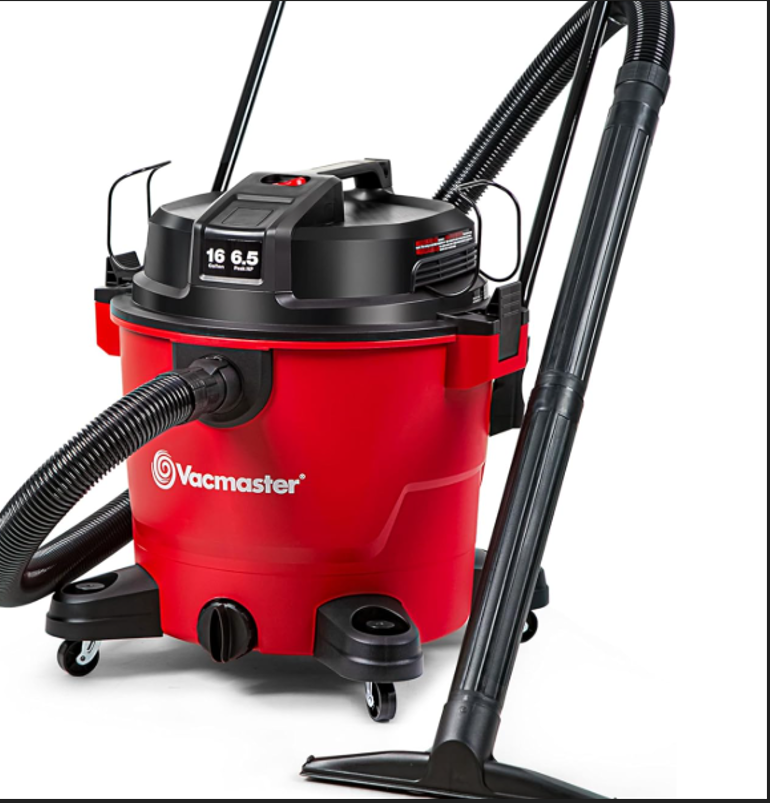
Best Wet and Dry Vacuum Reviews of 2026: Top Picks for Every Budget

Wet & Dry Vacuum

    Best Wet and Dry Vacuum Reviews of 2026 Best Wet and Dry Vacuum Reviews of 2026: Whether you’re cleaning up water spills, workshop debris, or everyday household messes, investing in the best wet and dry vacuum can make cleaning faster and more efficient. Unlike traditional vacuum cleaners, wet and dry vacuums are designed to handle both liquid and solid waste, making them an essential tool for homeowners, DIY enthusiasts, mechanics, and professionals. In this comprehensive buying guide, we’ve reviewed the Best Wet and Dry Vacuum Reviews of 2026 based on suction power, capacity, durability, ease of use, customer satisfaction, and overall value. If you’re looking for the right product to recommend or purchase through affiliate links, this guide will help you make an informed decision. Why Trust Our Recommendations? Our product recommendations are based on: Product specifications Customer feedback Build quality Performance Ease of maintenance Value for money Brand reputation We aim to recommend products that provide genuine value rather than simply highlighting expensive models. Top 7 Best Wet and Dry Vacuums of 2026 1.DEWALT DXV10P Wet/Dry Vacuum – Best Overall Overview The DEWALT DXV10P continues to dominate the market thanks to its excellent suction, rugged construction, and reliable performance. It’s ideal for garages, workshops, and home renovation projects. Key Features 10-gallon capacity Powerful motor Built-in blower function Durable polypropylene tank Easy-drain system Pros Outstanding suction Durable design Easy maintenance Reliable brand Cons Slightly heavy for frequent transportation Best For: Homeowners, DIY enthusiasts, workshops  Overall Rating: 4.9/5  Check Latest Price 2. Vacmaster Professional Beast Series – Best Heavy-Duty Vacuum   The Vacmaster Beast Series is designed for demanding cleaning jobs. It easily handles drywall dust, construction debris, and water spills. Pros Extremely powerful suction Quiet operation Stainless steel construction Professional performance Cons Premium pricing Best For: Contractors and professionals  Rating: 4.8/5 Check Latest Price 3.Craftsman 16-Gallon Wet/Dry Vacuum – Best Value   Craftsman offers an excellent balance of affordability and performance. Highlights Large capacity Excellent airflow Built-in blower Heavy-duty wheels Pros Great value Reliable suction Easy mobility Cons Takes up more storage space  Rating: 4.8/5 Check Latest Price 4.RIDGID NXT Wet Dry Vacuum – Best for Workshops   RIDGID has earned an excellent reputation among professionals. Why Buy It? Powerful motor Long hose Rugged construction Excellent durability Pros Commercial-grade quality Easy maneuverability Strong suction Cons Slightly louder operation  Rating: 4.7/5 Check Latest Price 5.Armor All Utility Vacuum – Best Budget Choice   If portability matters, the Armor All best Utility Vacuum is a smart purchase. Features Compact design Lightweight Great for vehicles Affordable price Pros Easy storage Good suction Ideal for cars Cons Small tank Rating: 4.6/5 Check Latest Price 6. Stanley SL18116P Wet/Dry Vacuum – Best Compact Option   Stanley combines affordability with dependable performance. Best Features Portable design Strong suction Blower function Durable body Pros Lightweight Budget-friendly Easy to carry Cons Limited capacity  Rating: 4.5/5 Check Latest Price 7.Shop-Vac Stainless Steel Wet/Dry Vacuum – Best Premium Choice   Shop-Vac remains one of the most trusted names in heavy-duty cleaning equipment. Pros Excellent filtration Strong motor Premium materials Long-lasting performance Cons Higher price Rating: 4.7/5 Check Latest Price Buying Guide: How to Choose the Best Wet and Dry Vacuum Before purchasing we need to consider these important features. Suction Power Choose a model with strong airflow for better cleaning performance. Tank Capacity Small (2–5 gallons): Cars and apartments Medium (6–10 gallons): Homes Large (12–16 gallons): Garages and workshops Filter Type HEPA filters are ideal for trapping allergens, dust, and fine particles. Attachments Look for: Extension wands Floor nozzles Crevice tools Utility brushes Car detailing accessories Build Quality Durable plastic or stainless steel tanks last longer and withstand heavy use. Comparison Table Product Capacity Best For Overall Rating DEWALT DXV10P 10 Gallons Overall ⭐⭐⭐⭐⭐ Vacmaster Beast 14 Gallons Heavy Duty ⭐⭐⭐⭐⭐ Craftsman 16 Gallons Value ⭐⭐⭐⭐⭐ RIDGID NXT 12–16 Gallons Workshop ⭐⭐⭐⭐⭐ Armor All 2.5 Gallons Budget ⭐⭐⭐⭐☆ Stanley SL18116P 6 Gallons Compact ⭐⭐⭐⭐☆ Shop-Vac Stainless Steel 8–12 Gallons Premium ⭐⭐⭐⭐⭐   Maintenance Tips for Longer Performance Proper maintenance extends the lifespan of your vacuum. Additionally, it ensures consistent suction. Empty the tank after every use. Clean or replace filters regularly. Check hoses for blockages. Dry the tank after wet cleaning. Store accessories properly. Inspect power cords frequently. Following these simple steps keeps your vacuum operating like new. Frequently Asked Questions Which wet and dry vacuum is best overall? The DEWALT DXV10P offers the best combination of performance, durability, and value. Are wet and dry vacuums worth buying? Yes. They clean both liquid spills and dry debris, making them more versatile than standard vacuum cleaners. Can I use a wet and dry vacuum for car detailing? Absolutely. Compact models such as the Armor All Utility Vacuum work exceptionally well for cleaning vehicle interiors. How long do wet and dry vacuums last? With proper maintenance, a quality wet and dry vacuum can last between 8 and 15 years. Final Choice After comparing the Best Wet and Dry Vacuum Reviews of 2026, the DEWALT DXV10P stands out as the best overall choice thanks to its excellent suction, durable construction, and user-friendly design. If you need industrial-level performance, the Vacmaster Beast Series is an outstanding option. Budget-conscious buyers should consider the Armor All Utility Vacuum, while workshop owners will appreciate the rugged reliability of the RIDGID NXT. Before making your purchase, compare current prices, warranty coverage, customer reviews, and included accessories. Taking a few extra minutes to evaluate these factors can help you choose a vacuum that delivers excellent performance and long-term value. Choose the model that matches your needs, maintenance preferences, and workspace. As a result, you’ll enjoy faster cleaning, stronger suction, and dependable performance for years to come.

Best Vacuum Cleaner for Home 2026: What Is It?

Introduction to Vacuum Cleaners In today’s fast-paced world, maintaining a clean and healthy home is more important than ever, and vacuum cleaners have become a true game-changer. They offer a faster, easier, and more effective way to clean compared to traditional sweeping and dusting, saving both time and effort. Modern vacuum cleaners go beyond surface cleaning by removing dust, dirt, allergens, and microscopic particles that affect indoor air quality. This makes them essential for healthier living, especially for households with allergies, pets, or air pollution concerns. Vacuum cleaners are also highly versatile, with attachments that allow cleaning of carpets, sofas, curtains, mattresses, and even car interiors. With advancements in technology, today’s models include cordless, robotic, and high-efficiency filtration systems, making home cleaning more convenient than ever. Ultimately, vacuum cleaners are no longer just a convenience—they are a must-have home appliance that ensures better hygiene, saves time, and supports modern lifestyles. Why Vacuum Cleaners Are Essential Today Let’s be honest—cleaning is not anyone’s favorite task. If we rely only on a broom and mop, dust often just moves around instead of being properly removed. That’s why vacuum cleaners have become an essential part of modern homes. They make cleaning faster, easier, and far more effective. Today, cleanliness is not just about appearance—it’s about health. Dust, pet hair, pollen, and tiny allergens can build up in carpets, sofas, and curtains, even when a home looks clean. These hidden particles can cause allergies and breathing problems over time. Vacuum cleaners solve this problem by using strong suction to remove dirt from deep inside surfaces. Unlike sweeping, they extract dust instead of spreading it, making homes truly clean and hygienic. They also save a lot of time and effort, which is important in busy modern lifestyles. With features like cordless design and smart cleaning modes, they make household cleaning much more convenient. In addition, vacuuming regularly helps protect furniture and flooring by preventing long-term damage from dust buildup. Many modern models also include HEPA filters that improve indoor air quality by trapping fine particles. Overall, vacuum cleaners are no longer just a convenience—they are a necessary tool for maintaining a clean, healthy, and comfortable home. Evolution of Cleaning Technology Vacuum cleaners have come a long way since their bulky, noisy beginnings. Early models were massive, heavy, and far from user-friendly. But today, we have sleek, lightweight, and even intelligent devices that can clean your home while you relax on the couch. Modern innovations include robotic vacuum cleaners that use AI and sensors to navigate your home, cordless models that eliminate tangled wires, and HEPA filtration systems that trap allergens. The shift toward smart home technology has also influenced vacuum cleaner designs, making them more efficient and user-centric. Interestingly, the rise of robotic vacuums is one of the fastest-growing segments in the market due to their automation capabilities (Fortune Business Insights). These machines can map your home, avoid obstacles, and even schedule cleaning sessions—all without human intervention. It’s like having a tiny cleaning assistant working tirelessly in the background. What is a Vacuum Cleaner? Basic Definition and Working Principle A vacuum cleaner is a household appliance designed to remove dust, dirt, and debris from surfaces by creating suction. Sounds simple, right? But the technology behind it is quite fascinating. At its core, a vacuum cleaner works by using an electric motor to create negative pressure (or suction). This suction pulls in air along with dust and dirt particles. The debris is then trapped inside a dust bag or container, while clean air is expelled back into the room. Think of it like a powerful straw. When you sip a drink, you create suction that pulls liquid upward. A vacuum cleaner does the same thing—but instead of liquid, it pulls in dust and debris. This simple yet effective mechanism is what makes vacuum cleaners so efficient. Key Components of a Vacuum Cleaner To understand how a vacuum cleaner works, it helps to break it down into its main components. Each part has a specific role, and together they create an efficient cleaning system designed to remove dirt effectively. Motor: The heart of the vacuum cleaner, the motor generates suction by powering the fan and creating airflow. Stronger motors usually provide better suction, depending on overall design. Fan: The fan works with the motor to create airflow. It lowers air pressure inside the vacuum, allowing outside air—and dust—to be pulled in continuously. Dust Bag or Bin: This is where collected dirt is stored. Bagged models use replaceable bags, while bagless ones use reusable containers for easy maintenance. Filter: The filter traps fine dust, allergens, and tiny particles before air is released back into the room. HEPA filters are especially effective for cleaner indoor air. Nozzle and Brush: These parts directly clean surfaces. The nozzle guides suction, while the brush loosens dirt from carpets and upholstery for easier removal. Each component plays an important role in overall performance. If one part is not working properly—like a clogged filter or worn brush—the vacuum’s efficiency can drop. Understanding these parts helps you choose the right vacuum cleaner and maintain it for long-lasting performance. How Vacuum Cleaners Work The Science of Suction Suction is the real magic behind every vacuum cleaner. It’s the invisible force that pulls dust, dirt, and debris from your floors into the machine—but have you ever stopped to wonder how it actually works? It all comes down to a simple yet powerful principle of physics: air pressure difference. When you switch on a vacuum cleaner, the motor starts running at high speed and spins an internal fan. This spinning action forces air out of the vacuum, reducing the air pressure inside the machine. Now here’s where it gets interesting. Because the air pressure inside the vacuum becomes lower than the pressure outside, air from the surrounding environment rushes in to balance it out. And this incoming air doesn’t come alone—it carries along dust particles, pet hair, crumbs, and other debris from the surfaces you’re cleaning. This … Read more